















A Modern Approach to Lemon Cultivation
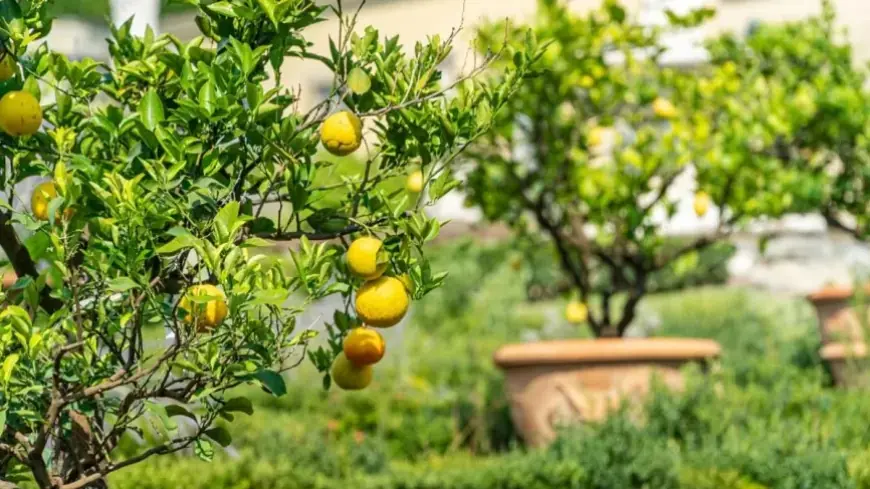
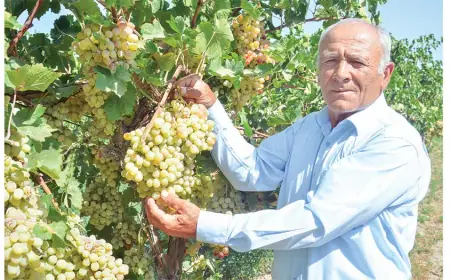
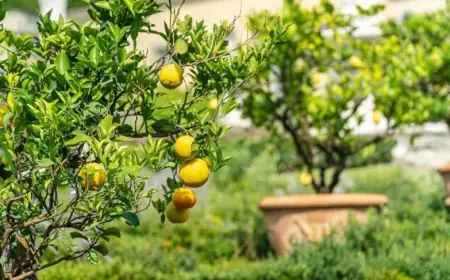
People across our country contribute to the noble task of greening the nation and ensuring food abundance by growing vegetables, melons, and fruit trees. One such contributor is Astanakuly Soltannyazov, a resident of Chaltut village council in the Sayat district of Lebap province, who draws attention with his innovative approach to lemon cultivation.
The experienced gardener grows 87 lemon trees in the greenhouse on his private plot and receives a rich harvest every year. Last year, each tree yielded more than 400 fruits, and this year Astanakuly aga plans to harvest over 1.5 tons.
He uses several new methods in lemon cultivation:
-
Care tailored to unique heat and humidity requirements. During winter, the lemon trees are kept in a greenhouse covered with polyethylene film and are watered an average of 16–17 times.
-
Combined use of organic and mineral fertilizers. In addition to superphosphate and potassium fertilizers, organic fertilizers are also applied, promoting healthier growth and higher yields.
-
Pruning of side branches. To increase productivity, side shoots are pruned in a specific way.
-
Optimal planting time for young seedlings. Seedlings planted in October and March adapt quickly to local soil and climate conditions.
This modern approach not only increases lemon yields but also helps establish a sustainable and efficient agricultural production system.
Astanakuly aga not only works diligently himself but also mentors his grandchildren, teaching them the fine details of growing lemon orchards. This ensures that younger generations learn from experienced specialists, adopt new agricultural technologies, and work productively.
That our domestic markets are filled with lemons is largely thanks to dedicated gardeners like Astanakuly aga. Their consistent efforts and knowledge-sharing significantly contribute to the nation’s food abundance and the sustainable development of the agricultural sector.