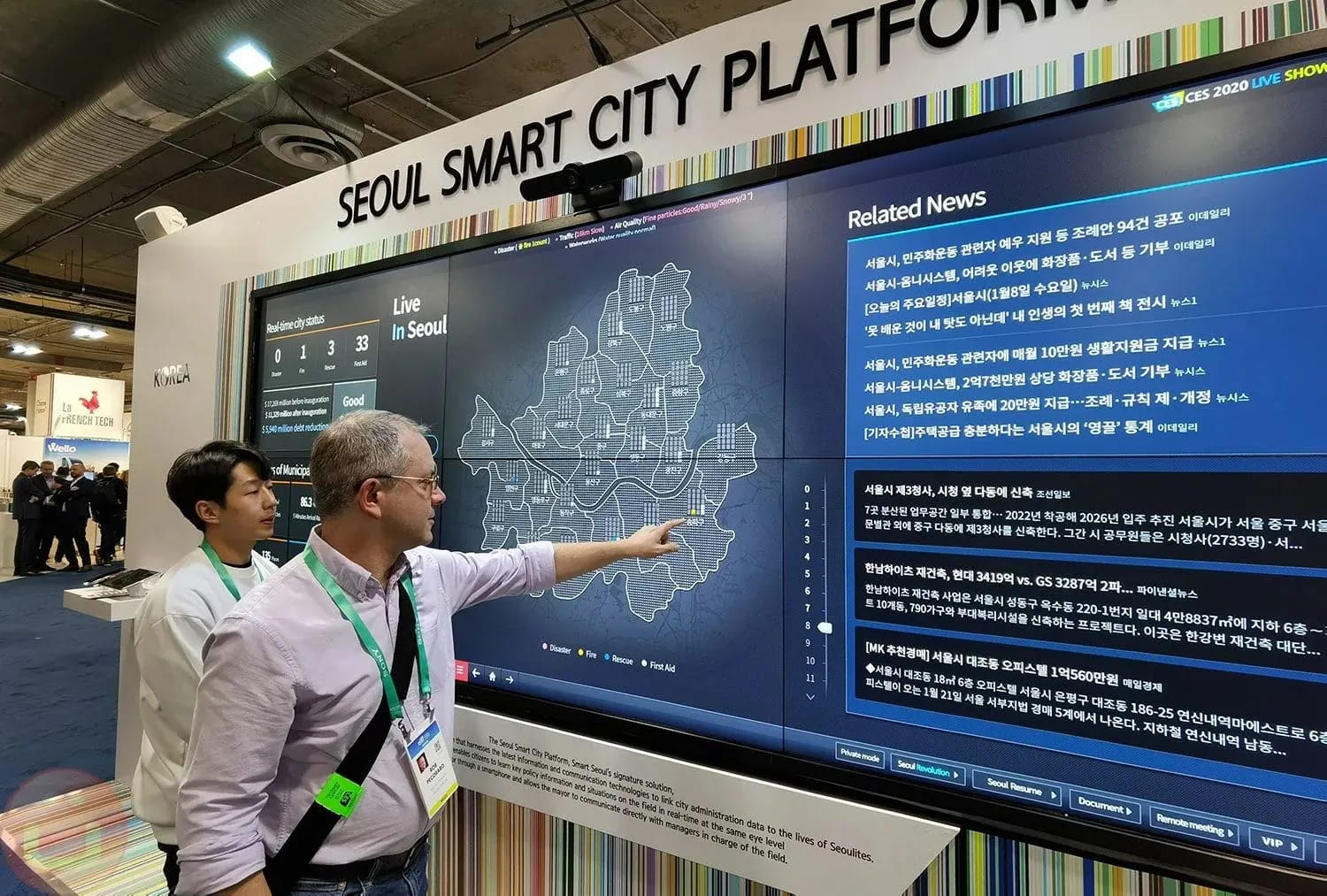
Ahead of the first "Republic of Korea – Central Asia" summit, the Korea Foundation organized a series of educational, scientific, and cultural events in Seoul for specialists and youth from Central Asian countries.
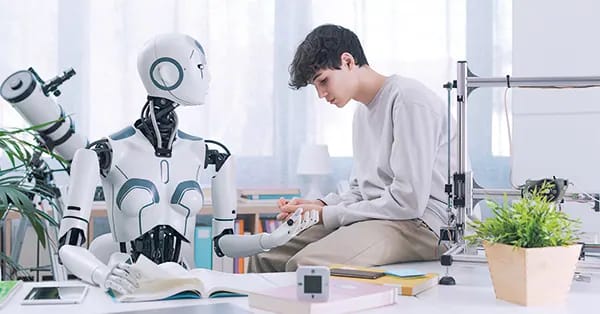
From August 18 to 20, the Korea Foundation and the Korea Foundation for the Advancement of Science and Creativity organized a three-day program dedicated to developing talent in the field of artificial intelligence in Central Asia. It was attended by education sector specialists from Turkmenistan, Kazakhstan, Kyrgyzstan, Tajikistan, and Uzbekistan.
The meetings discussed Korea's experience in training artificial intelligence specialists, including developing human resources in digital and technological fields starting from school age. Views were also exchanged on the digital transformation national strategies of Central Asian countries, the demand for technological specialists in the region, and opportunities for implementing joint educational projects in the future.
As part of the program, specialists visited leading educational centers in Seoul and familiarized themselves with innovative approaches used in the fields of education and technology.
At the same time, on August 19, a youth lecture titled "Central Asia: Opening the Future of Coexistence" was held at the Yeongdeungpo Art Hall. The event was organized within the framework of the KF-Sebasi project "15 minutes change the world."
At the lecture, young representatives of the five Central Asian states spoke about their experiences of studying, working, and living in South Korea. On behalf of Turkmenistan, Ogulgul Nazarova, who is studying on a Korean government scholarship, participated in this event.
Event participants also viewed an exhibition showcasing the national culture and traditions of Central Asian countries. The ethnographic exhibition, prepared by the organizers and the embassies of the respective countries, displayed various valuables reflecting the traditional culture of the peoples.
The held events demonstrated that cooperation between the Republic of Korea and Central Asian countries is not limited solely to economic relations, but is also developing in areas such as education, technology, culture, and youth ties.
The development of direct contacts among specialists, educators, and youth makes it possible to create new directions for long-term cooperation and implement joint educational and technological initiatives.

Comments
No comments yet. Be the first.