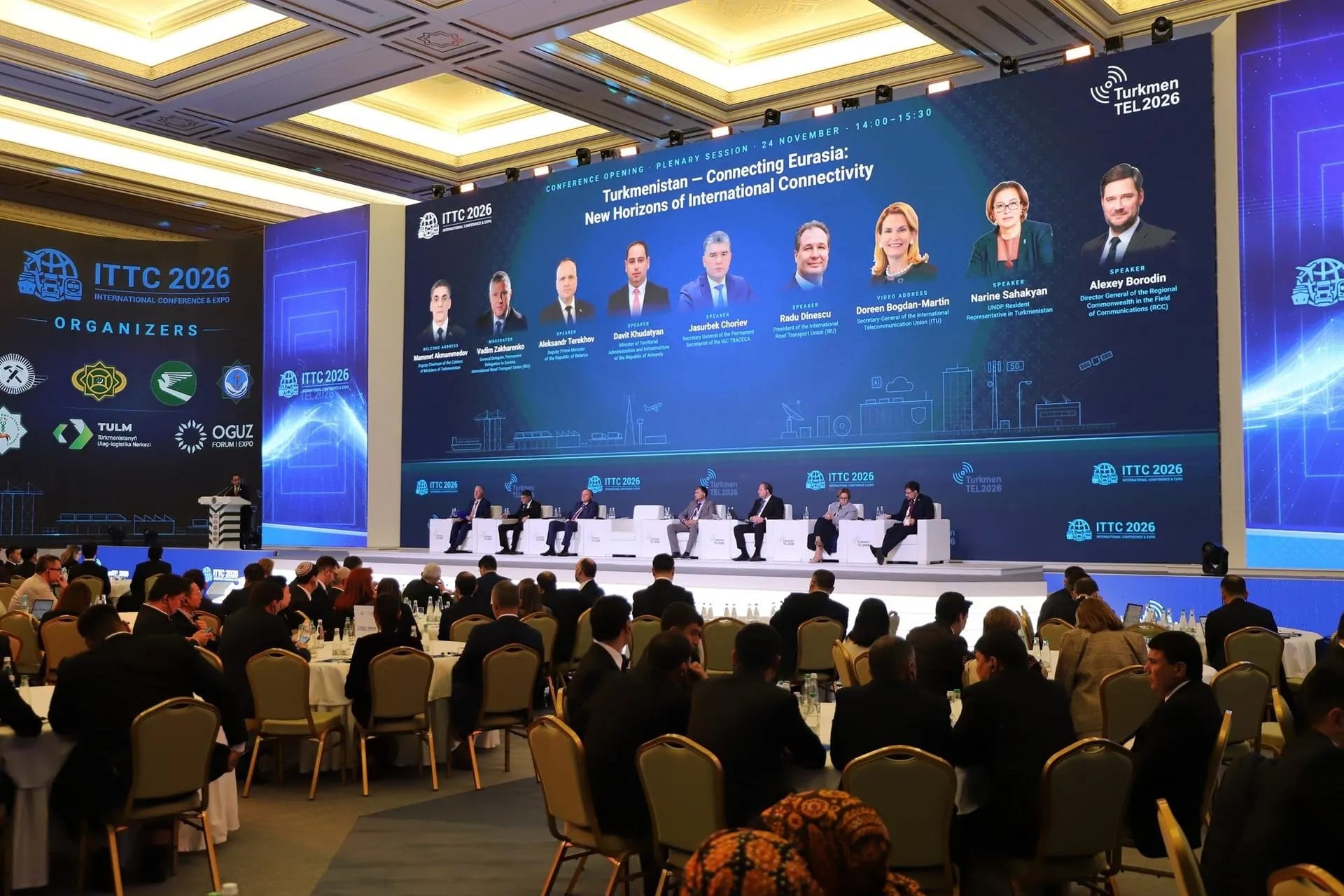
The United Nations Development Programme (UNDP), in cooperation with the Ministry of Communications of Turkmenistan and the Academy of Civil Service under the President of Turkmenistan, held a series of events in Ashgabat dedicated to the National Artificial Intelligence Development Strategy for 2026–2030.
The strategic document was presented on 24–25 November as part of the Turkmenistan Digital Forum and the international exhibition and conference “Turkmentel — 2026”. Developed jointly with the Ministry of Communications with the support of UNDP experts, the strategy defines the main priorities for the responsible introduction of artificial intelligence technologies in the country.
The document outlines important objectives, including modernising the public administration system, developing digital infrastructure, training qualified specialists and expanding cooperation between government institutions and the private sector.
According to Narine Saakyan, UNDP Resident Representative in Turkmenistan, the strategy not only shapes the country's long-term vision for digital development but also provides a foundation for strengthening the capacities of national institutions and human capital. Its main objective is to ensure that technological transformations contribute to improving the quality of public services provided to the population.
On 24 November, a special session was held as part of “Turkmentel — 2026”. During the session, Aleksandr Gradetskiy, Head of UNDP's Global Initiative on Artificial Intelligence Capacity Development, delivered a presentation on the strategy's key priorities and international experience in this field.
The following day, experts took part in discussions on the development of technological entrepreneurship, the role of innovation centres and business incubators, the implementation of startup projects, and the importance of educational programmes in attracting investment.
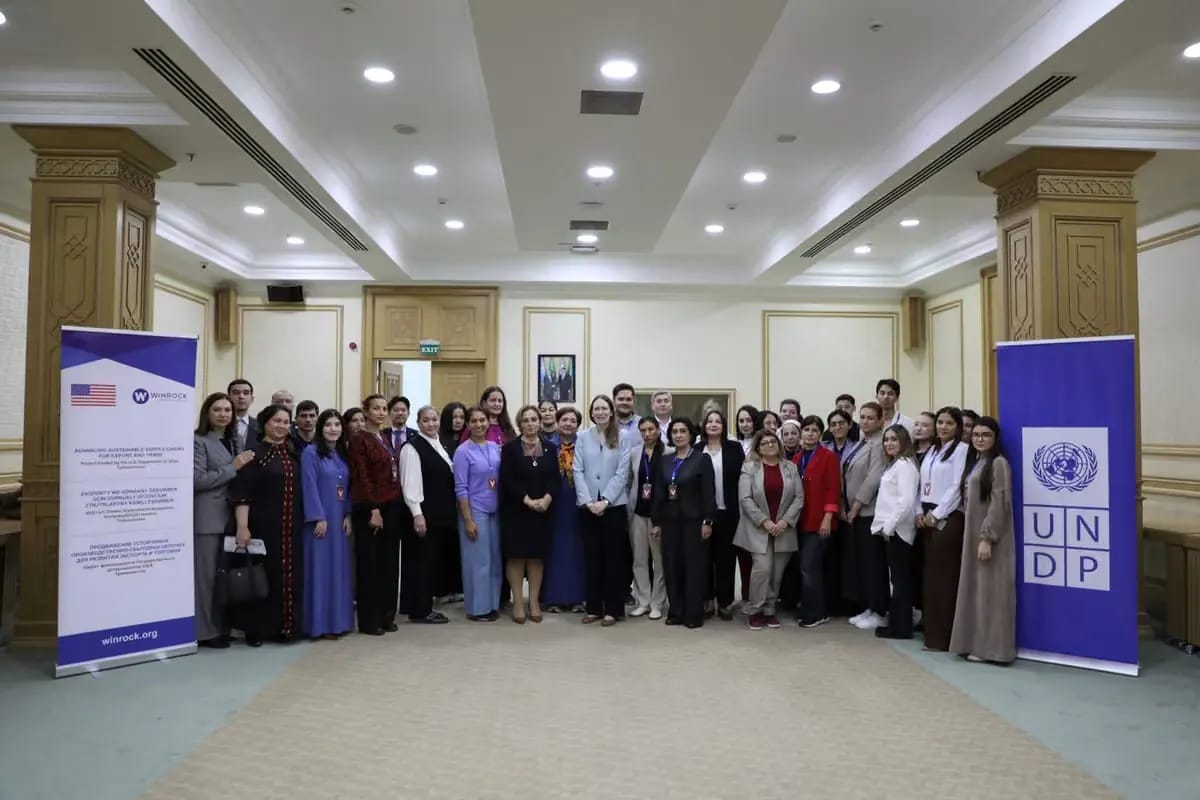
As part of the events, UNDP, together with the Ministry of Communications and the Academy of Civil Service, also organised a practical training seminar for 70 civil servants. Participants explored the application of artificial intelligence technologies in public administration through practical examples.
Particular attention during the training was given to the use of neural networks to accelerate document preparation, analyse large volumes of data and simplify administrative processes. Participants also discussed issues related to data protection, maintaining transparency in operations and ensuring mandatory human oversight in final decision-making.






Comments
No comments yet. Be the first.