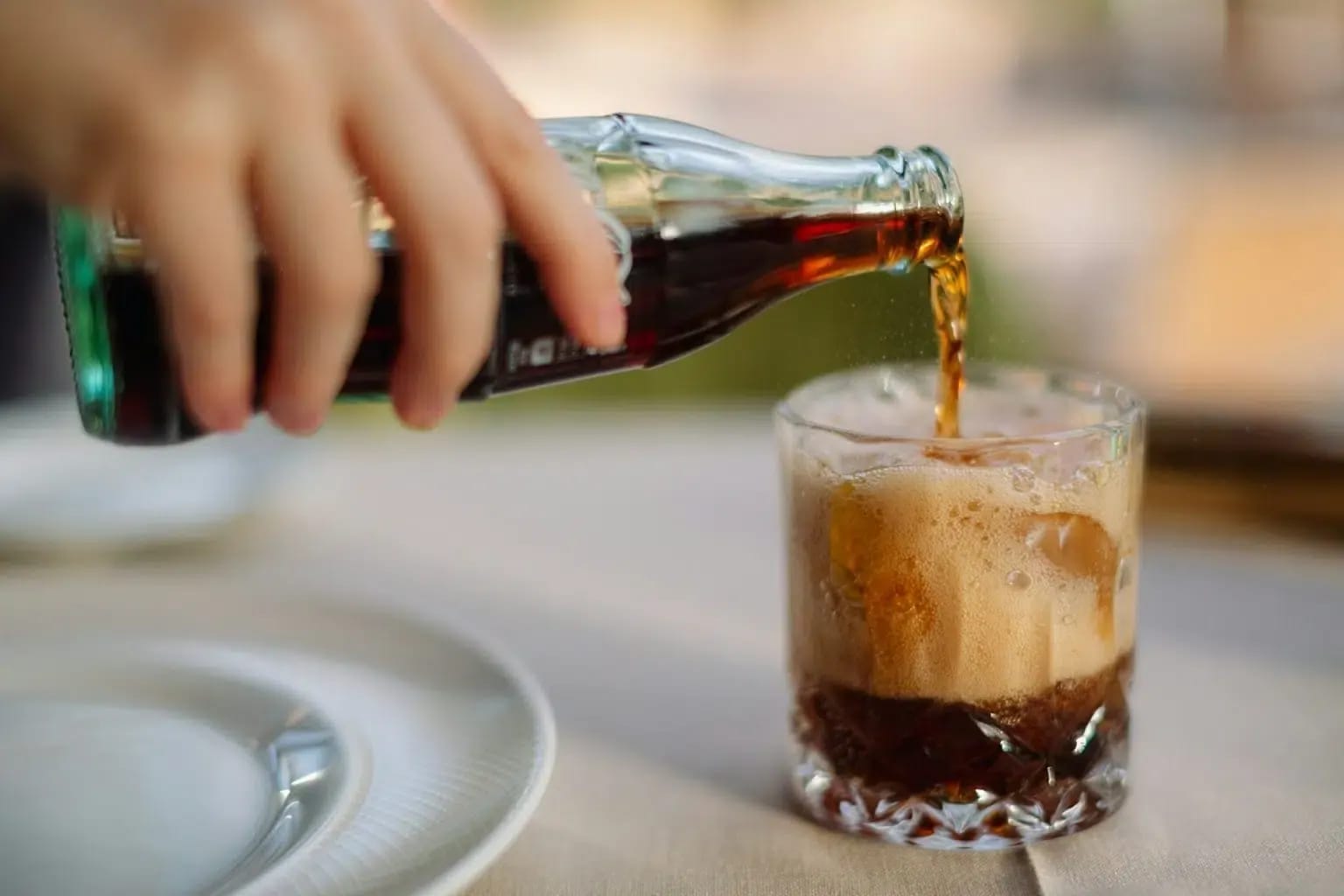
American researchers have found that drinking diet soft drinks for eight weeks may lead to unfavourable changes in gut microbiota activity in young women who are overweight. The study examined how artificial sweeteners, which provide sweetness without adding calories, affect intestinal bacteria.
Eight overweight women with an average age of 21 took part in the study. There was no control group. The researchers compared the participants’ measurements before the trial began with those recorded after the eight-week period.
The research was conducted by scientists from the Institute for Computational Biology at the Milken Institute School of Public Health, George Washington University, in the United States, together with Allison Sylvetsky from the University of Rhode Island. The findings were published on medRxiv.org, an online platform that hosts preprints of scientific papers.
For two months, the participants drank three servings of diet Pepsi every day. The drink contained the artificial sweeteners sucralose and acesulfame potassium. These substances give the product a sweet taste without adding calories. Blood and stool samples were collected from the participants at the beginning and end of the study.
The researchers analysed changes in the metabolic activity of the gut microbiome. Statistical analysis revealed changes in the activity of 33 microbial metabolic pathways following regular consumption of the soft drink. Activity increased in 18 of these pathways and decreased in the remaining 15.
One of the most significant findings was a strong positive association between bacterial activity involved in synthesising the amino acid alanine and blood levels of interleukin-6. Interleukin-6 is considered one of the main indicators of systemic inflammation in the body. The correlation coefficient between these two measurements was 0.74. According to the researchers, the association remained even after statistical testing.
The researchers suggest that this relationship may have a biologically plausible explanation. L-alanine is a component of peptidoglycan, one of the main building blocks of bacterial cell walls. The scientists hypothesise that an increased ability of bacteria to produce L-alanine may lead to greater formation and renewal of peptidoglycan. Its fragments may pass through the intestinal lining and interact with the NOD1 and NOD2 immune receptors, which are involved in activating inflammatory responses. However, this mechanism was not directly investigated during the study.
The new findings are also consistent with data from earlier observations conducted as part of the same research project. Previous research identified an association between sweetener consumption and an increased proportion of bacteria belonging to the Enterobacteriaceae family, which includes potentially pathogenic species.
Overall, the researchers identified a possible link between the consumption of diet soft drinks, changes in the metabolic capabilities of gut microbiota and markers of inflammation. Further long-term clinical studies involving larger numbers of participants are needed to establish whether there is a direct cause-and-effect relationship between these factors.






Comments
No comments yet. Be the first.