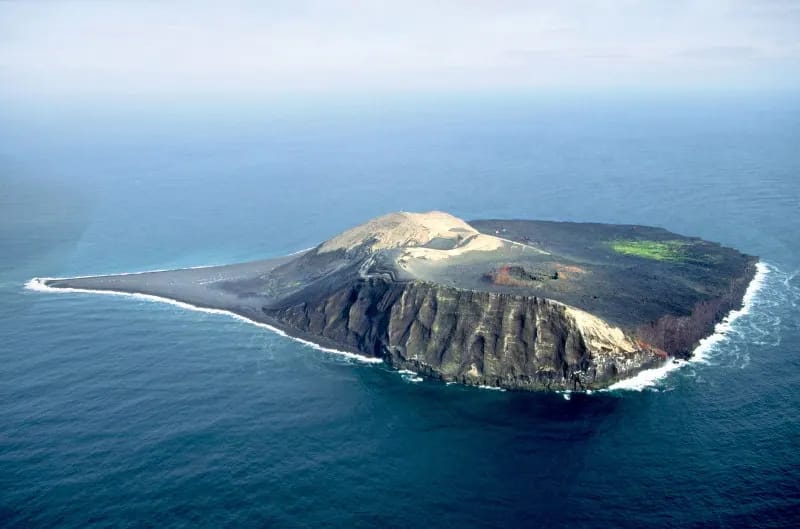
Surtsey Island, located approximately 32 kilometres off the southern coast of Iceland, was formed in 1963 as a result of volcanic eruptions. Today, the island is considered a unique scientific site for studying how natural ecosystems develop without human intervention.
Surtsey is closed to tourists and can only be visited by scientists and specialists with special permission. Planting trees and bringing in seedlings or seeds from other places are prohibited on the island. These restrictions were introduced to ensure that natural development takes place entirely on its own.
Scientists study how plants and other living organisms appear on the island, how they adapt to the new environment and how they spread. Researchers have been systematically monitoring the island’s natural development since 1964.
The first vascular plant appeared on Surtsey in 1965. In the following years, the diversity of plant life steadily increased: within ten years, the number of species had reached 10, and by 2004 it had risen to 60.
To date, 75 plant species, 71 lichen species and 24 fungal species have been recorded on the island. It has also been established that 89 bird species inhabit the area. The 141-hectare island is home to 335 species of invertebrates as well.
Surtsey Island is of great importance for studying how nature independently colonizes new habitats. It provides scientists with an opportunity to observe the stages of ecosystem formation and development over an extended period.




Comments
No comments yet. Be the first.