


















Scientists discover a way to help bones regenerate themselves
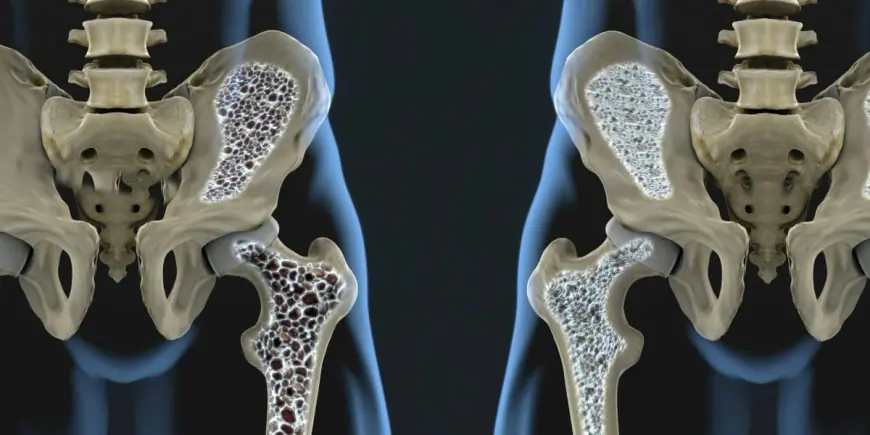
Scientists may have found a method that enables the body to restore its own bone tissue. A key role in this process is played by the GPR133 receptor. In the future, this therapy may significantly change the treatment of osteoporosis.
Osteoporosis is a serious health issue affecting families and healthcare systems worldwide. Most current medications only slow bone loss or briefly stimulate bone formation, and some come with serious side effects.
An international research team led by Professor Ines Liebscher of Leipzig University has published findings in Signal Transduction and Targeted Therapy, describing a new approach that may help bones regenerate naturally.
GPR133 — a “switch” that activates bone-forming cells
Researchers discovered that the GPR133 receptor acts as a trigger that activates osteoblasts — the cells responsible for forming bone. This receptor belongs to the GPCR family, which transmits signals from outside the cell inward. Once activated, it accelerates osteoblast maturation and strengthens bone formation.
AP503 significantly strengthens bones
Earlier computer screenings identified a compound called AP503. By using it to activate GPR133, the researchers were able to significantly increase bone strength in both healthy and osteoporotic mice.
Mice lacking the GPR133 gene developed thinner and weaker bones. In contrast, AP503 increased bone volume and density in normal mice, confirming that it works through GPR133.
Menopause model shows improvement
The team also tested the therapy in a menopause model, where estrogen loss causes significant bone deterioration. AP503 restored key bone indicators to healthy levels, increased osteoblast numbers, and reduced bone degeneration.
How the receptor works
Evidence suggests that GPR133 responds to both mechanical stimuli and partner molecules from neighboring cells. Inside the cell, it increases cyclic AMP (cAMP), a messenger molecule that triggers enzymes and pathways responsible for forming new bone tissue.