Agriculture
Agricultural Analysis of Lebap Region: A Strategy for Food Abundance
March 24, 2026 11:24 • UTC+5 (Ashgabat) • 85 views
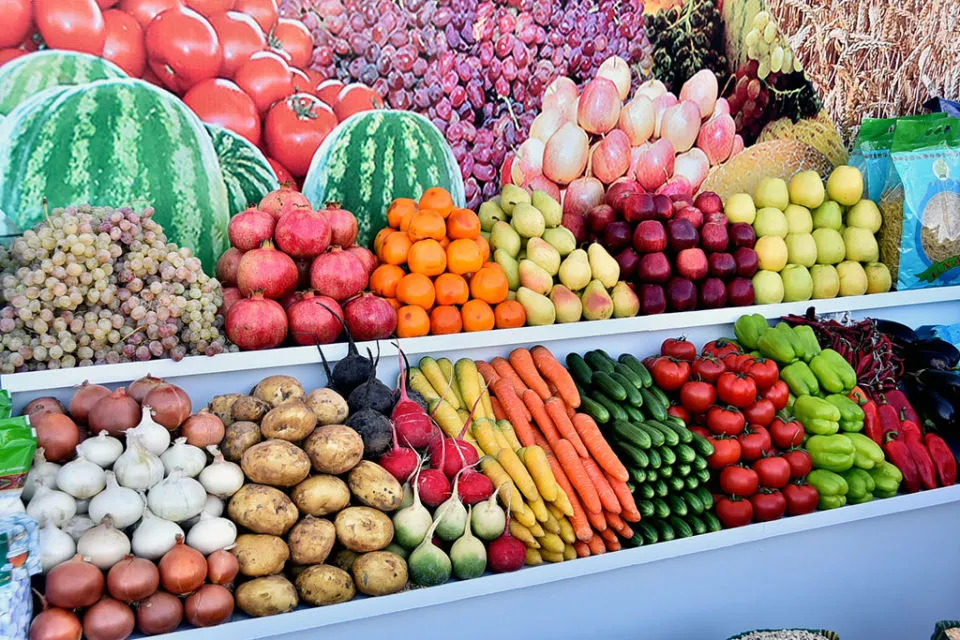
The analytical review of the Lebap region's agricultural sector for 2024–2025 demonstrates a steady growth in food abundance. Thanks to the implementation of modern storage technologies (cold storage facilities with a 7,000-ton capacity) and a scientific approach to crop selection (using Gala, Santa, and Bereket varieties), the region increased vegetable production by 6% and melon production by 10%. The primary drivers of this growth are the Charjew, Kerki, and Dovletli districts, ensuring the d
The Lebap region stands as a powerhouse in Turkmenistan’s agricultural sector, characterized by a high degree of food self-sufficiency and rising productivity. This report analyzes the growth dynamics of 2024–2025, highlighting the leading districts and the technical infrastructure driving sustainable development.
📈 Production Dynamics: Growth by the NumbersStatistical data confirms a steady upward trend across all key categories compared to 2024. The region’s food security is anchored by the following achievements:
- Vegetable Production: Reached 317,000 tons, representing a 6% increase.
- Melons & Gourds: Production hit 184,000 tons, a significant 10% growth.
- Potatoes: Total harvest amounted to approximately 137,000 tons.
- Fruits & Berries: Output approached 50,000 tons, growing by over 6%.
- Grapes: A total of 20,000 tons was harvested.
📍 Regional Leaders: Centers of ExcellenceDifferent districts (etrap) have shown specialized strengths and high efficiency:
- Melon Production: Kerki and Koytendag districts led the way with 16% growth each.
- Vegetables: Garabekewul showed the highest growth rate (12.5%), while Charjew remains the volume leader (66,000 tons).
- Potatoes: The most rapid progress was recorded in Kerki (15.7%) and Farap (15.6%).
- Orchards: Charjew (16%) and Sayat (15%) districts set the pace for fruit production.
❄️ Technological Infrastructure & ProcessingThe success of the Lebap region lies in its "field-to-shelf" integrated chain. Storage and processing are the critical links:
- Cold Storage: The "Miwe" agricultural industrial association operates modern cooling complexes with capacities of 3,000 and 4,000 tons, ensuring year-round freshness.
- Industrial Processing: Last year, over 114,100 standard units of canned goods and approximately 33,635 tons of dairy products were produced, proving the region's capacity for value-added manufacturing.
🌱 2026 Season Outlook: Scientific SowingThe foundation for the 2026 harvest has already been laid using advanced agro-technical standards:
Potato Campaign:
- Area: 1,400 hectares allocated.
- Seeds: 3,920 tons of "Gala" and "Santa" varieties planted.
- Sowing Rate: 2,800 kg per hectare.
- Primary Zones: Charjew (380 ha), Danew (300 ha), Sayat (200 ha).
Onion Campaign:
- Area: 900 hectares allocated for spring onions.
- Varieties: "Bereket," "Kaka," and "Farap" (Rate: 18 kg of seeds per ha).
- Main Hub: Dovletli district (260 ha).
SummaryThe analysis indicates that Lebap’s agricultural sector has transitioned to an intensive development model. The synergy of a favorable climate, government support, high-yield seed varieties, and expanded storage capacity establishes the region as a primary guarantor of food abundance in the national market.