Education
Informatics Class — A Step into the World of Technology
April 22, 2026 10:48 • UTC+5 (Ashgabat) • 6 views
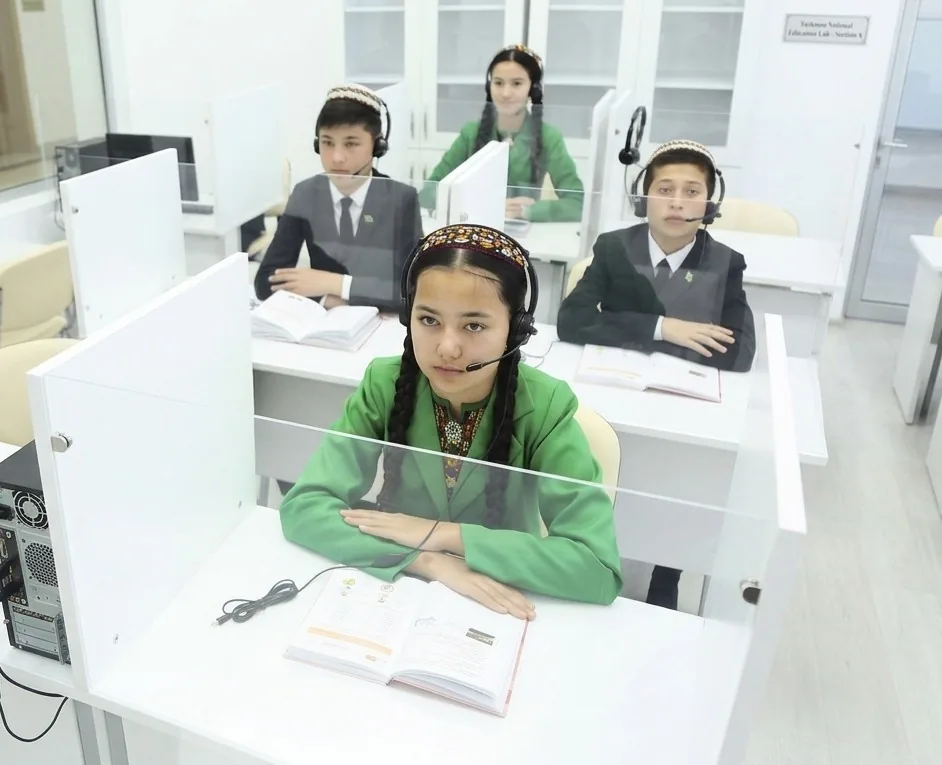
In School No.21 of Khojambaz district, IT lessons prepare students for the world of technology. By learning email, students improve their digital literacy and practical skills.
In today's world, digital literacy has become an essential necessity for every member of the young generation. Ayna Charyyeva, an Informatics teacher at the 21st secondary school in the Hojambaz district, guides her students into the mysterious world of computer technology through her engaging lessons. According to the teacher, lessons held in classrooms equipped with modern facilities develop innovative thinking among the youth.
The topic "Working with Electronic Mail," designed for 8th-grade students, is one of the teacher's most interesting lessons. In this topic, students learn not only how to send a message but also the fundamental principles of digital communication.
Key concepts taught in the lesson:
- E-mail (Electronic Mail): A method of sending and receiving messages in a short time with the help of computer networks.
- Mail Server: A specialized computer that receives, stores, and sends electronic letters. The teacher explains that it is the digital version of a traditional post office, but it works 24/7 without holidays.
- Client Program: Software located on the user's computer that communicates with the server and allows reading letters.
Teacher Ayna integrates theoretical knowledge with practice during the lesson. With the help of a multimedia board, the working scheme of the mail server is demonstrated. Each student learns how to manage an email inbox and work with folders for incoming and outgoing mail (Inbox, Sent, Trash) using individual computers.
"In the era of technological development, electronic mail holds an important place in every field. We teach students not only how to use the technology but also to deeply understand its working principles." — Ayna Charyyeva.At the end of the lesson, students prepare independent schemes and projects based on the information they have learned. This helps young people to become not just "users," but specialists who can improve technologies in the future.