Society
Melon: The Sweet Fruit of Sun and Science
March 9, 2026 11:34 • UTC+5 (Ashgabat) • 20 views
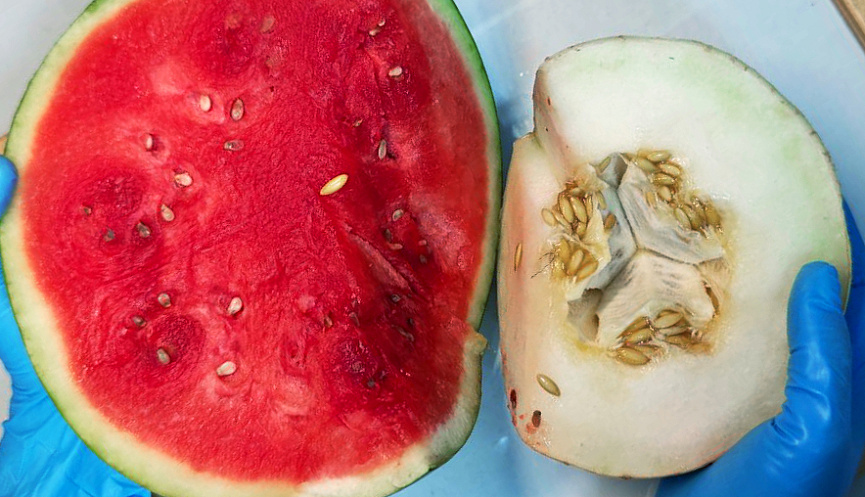
Melons surpass watermelons in vitamins (C, beta-carotene) and boost the immune system. Tip: Don't mix melon with watermelon to avoid digestion issues. Fun fact: The melon's closest relative is the cucumber, and dried melon was once used as currency.
The fragrant aroma of a melon is not just a delight; it is the personification of the southern sun. Behind this sweet treat lie centuries of history, delicate agronomic techniques, and the strict supervision of modern laboratories.
Heritage of History and Culture Melons were popular in Ancient Egypt as early as 4,000 years ago. Through the Silk Road, they spread to Central Asia and Persia, becoming an integral part of the culture of these regions. In countries like Turkmenistan and Uzbekistan, the melon is a symbol of hospitality and abundance. The world-famous Turkmen "wakharman" and Uzbek "torpedo" varieties are clear proof of this.
Melon or Watermelon? To the question of which one to choose, science answers:
- Watermelon: Consists of more than 90% water, quenches thirst, and is rich in lycopene, which is beneficial for the heart.
- Melon: Surpasses watermelon in terms of vitamins. It contains more Vitamin C for immunity, beta-carotene for eye and skin health, and folic acid.
- Important tip: It is not recommended to eat melon and watermelon together, as they "do not get along" with each other in the gastrointestinal tract.
Techniques for Gardeners and Agronomists Growing melons requires great effort. Experts recommend:
- Choosing a spot: Select the sunniest spot protected from the wind.
- Watering: Water regularly during the growth period, but stop watering two weeks before harvesting — this way the fruit retains its sweetness better.
- A little trick: Place a small board or straw under the fruits so they do not rot on the ground. Nowadays, thanks to technology, people manage to grow melons even on balconies in Moscow or in the cold conditions of Siberia.
Safety and Quality Control Every melon that reaches markets and shops undergoes strict laboratory testing. Experts check the levels of nitrates, pesticides, and microbiological purity. One of the biggest threats during cultivation is the melon fly, which can ruin 100% of the harvest. Therefore, when buying a melon, pay attention to the absence of strange holes or hard lumps.
Interesting Facts
- Relationship: The melon's closest relative is the cucumber. There is even a hybrid of the two called "cucumber-melon" (ogurdynya).
- Space Desert: Astronauts on the "Mir" orbital station ate vacuum-packed melons.
- Ancient Currency: In Central Asia, dried melon pieces were once a valuable commodity and were even used instead of money.