Society
Features of Fasting During Ramadan in Winter
February 5, 2026 16:51 • UTC+5 (Ashgabat) • 18 views
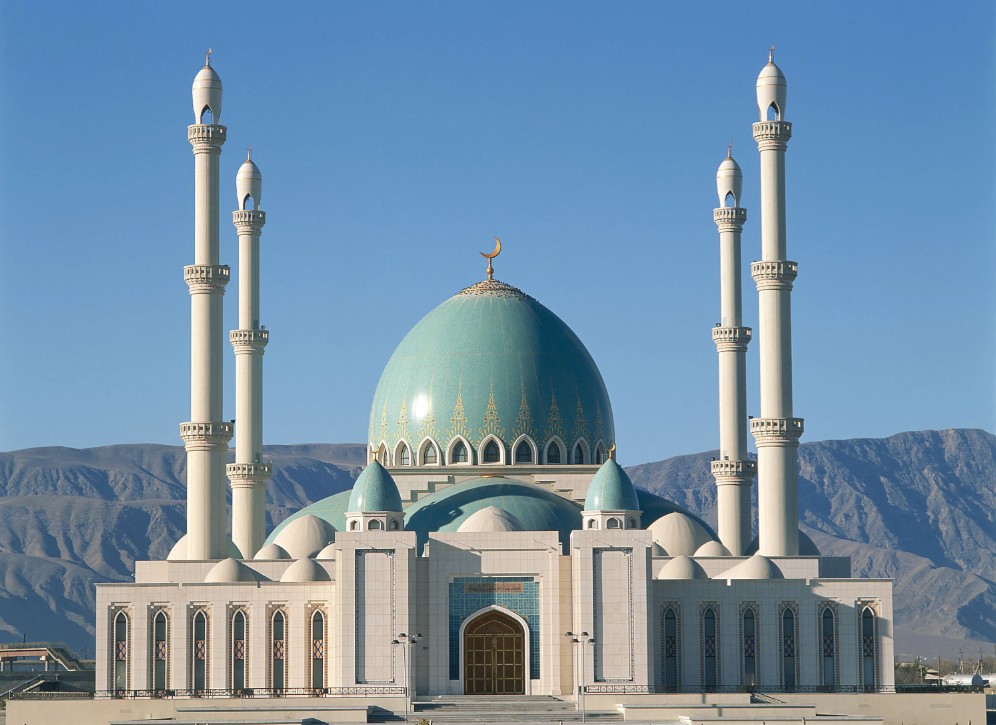
A brief overview of fasting during winter Ramadan. Short winter days make fasting easier. Proper Suhoor and Iftar, along with adequate hydration, help maintain health and energy. Fasting is important both physically and spiritually.
The holy month of Ramadan is the ninth month of the Muslim calendar, a time for spiritual purification and intensified devotion to the Almighty. Ramadan teaches respect for God’s commandments, patience, self-control, and moral purity. A unique feature of the Islamic calendar is that it is lunar-based, so Ramadan begins approximately 10 days earlier each year and can occur in different seasons.
Advantages of winter RamadanDuring Ramadan, Muslims fast from dawn until sunset. Summer days are long, but winter days are shorter. Therefore, winter Ramadan has advantages: shorter daylight hours mean shorter fasting periods, making it easier to fast. While summer fasting may last 16–18 hours, winter fasting lasts 12–13 hours.
Basic fasting rulesMuslims abstain from eating, drinking, and smoking during the day. Fasting begins at dawn and ends at sunset. Fasting is not only physical restraint but also requires controlling thoughts, words, and actions.
Fasting teaches self-discipline, morality, performing good deeds: helping relatives and neighbors, assisting those in need, and pleasing family members.
Proper nutrition: Suhoor and IftarMuslims have two meals during Ramadan: Suhoor (pre-dawn meal) and Iftar (post-sunset meal). Proper nutrition maintains energy and health.
Suhoor – pre-dawn meal:
- 1.5–2 hours before dawn
- Complex carbohydrates: bread, cereals, dried fruits, vegetables
- Protein: eggs, meat, fish
- Fruits and vegetables, especially water-rich (cucumber, apple, banana)
- Dates and almonds for vitamins and minerals
Hydration is important, even in winter. Drink water in several portions rather than all at once.
Limit during Suhoor:
- Salty and canned foods
- Fried foods
- Coffee and strong tea
- Sugars and simple carbohydrates
Iftar – evening meal:
- Start with water and a few dates (Prophet Muhammad’s tradition)
- Soup should not be too hot or oily
- Take a 5–10 minute break after soup
- Main meal: vegetables, cereals, lean meat or fish
- Avoid overeating
Winter meal featuresWinter requires more energy to maintain body temperature, so warm meals like soups, porridge, and boiled vegetables are recommended.
For immunity, eat foods rich in vitamin C (citrus, cabbage, greens) and vitamin D (due to less sunlight in winter).
Who is exempt from fasting- Elderly
- Chronically ill
- Pregnant or breastfeeding women
- Travelers
- Children not of age
- Sick people can make up missed days later
Spiritual significance of fastingRamadan is a time for both physical and spiritual growth. It encourages avoiding sins, doing good deeds, helping the poor, and fostering morality.
Winter Ramadan provides shorter fasting hours, making it easier to observe. Proper meal planning, adequate hydration, and balanced nutrition help maintain health and energy. Ramadan is a time of spiritual growth, good deeds, mercy, and closeness to Allah.