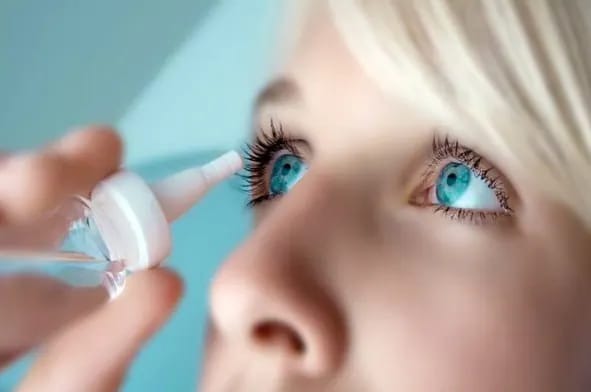
Cataracts affect approximately one in three people over the age of 70, representing a major cause of vision loss globally. The condition occurs when crystallin proteins within the eye's crystalline lens aggregate due to long-term exposure to ultraviolet radiation and oxidative stress, causing the lens to cloud. Traditionally, surgical replacement of the clouded lens with an artificial intraocular lens has been the sole effective remedy.
Recent laboratory investigations led by researchers at the University of California demonstrate that specific chemical molecules—notably lanosterol and 25-hydroxycholesterol—can dissolve these protein clusters and restore transparency. In preclinical animal trials, topical eye drop formulations containing these compounds significantly reversed lens opacity. While clinical validation and regulatory approvals remain necessary before pharmacy availability, reversing protein aggregation chemically represents a monumental breakthrough in non-invasive ophthalmic care.





Comments
No comments yet. Be the first.