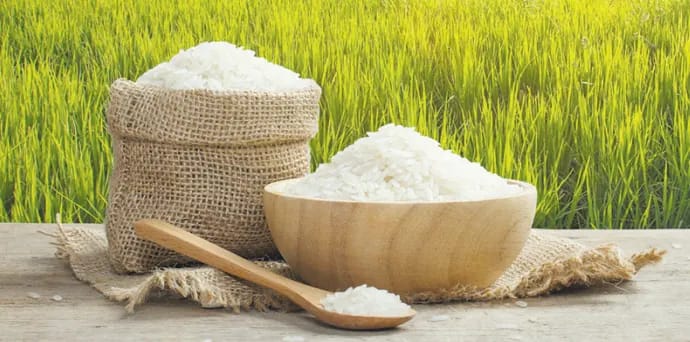
Rice is one of the most widely consumed food products in the world. This grain, obtained from the rice plant, is used to prepare a variety of dishes, either boiled or steamed. Famous rice-based dishes include Asian pilaf, Spanish paella, Italian risotto, Mexico’s arroz rojo, Korean bibimbap and Japanese sushi.
There are more than 40,000 varieties of rice worldwide. They differ in colour and appearance. White, red, brown and black rice are among the best-known varieties.
Rice is rich in carbohydrates, which provide the body with energy. The nutrients it contains help maintain the body's energy levels. Rice-based meals also play an important role in children's diets.
Brown rice contains flavonoids such as apigenin and quercetin. These natural compounds have antioxidant properties and help protect the body against cell damage. Some scientific studies indicate that brown rice may be a beneficial food for cardiovascular health and for conditions associated with diabetes and the digestive system.
The carbohydrates found in white rice are one of the body's main sources of energy. Therefore, rice-based meals after exercise or strenuous physical activity may help restore the body's glycogen stores. As white rice is easily digestible, it is also included in diets during certain digestive disorders.
Rice is naturally gluten-free and can serve as an alternative to wheat-based products for people who cannot tolerate gluten or are sensitive to it. However, when planning a diet, it is important to consider the type of rice, the amount consumed and how it is combined with other foods.
Overall, rice is a versatile food that can be prepared in various ways and is widely used in everyday diets. To make the most of its beneficial properties, it is recommended to include brown rice in the diet as well, particularly because it is rich in fibre and other nutrients.








Comments
No comments yet. Be the first.