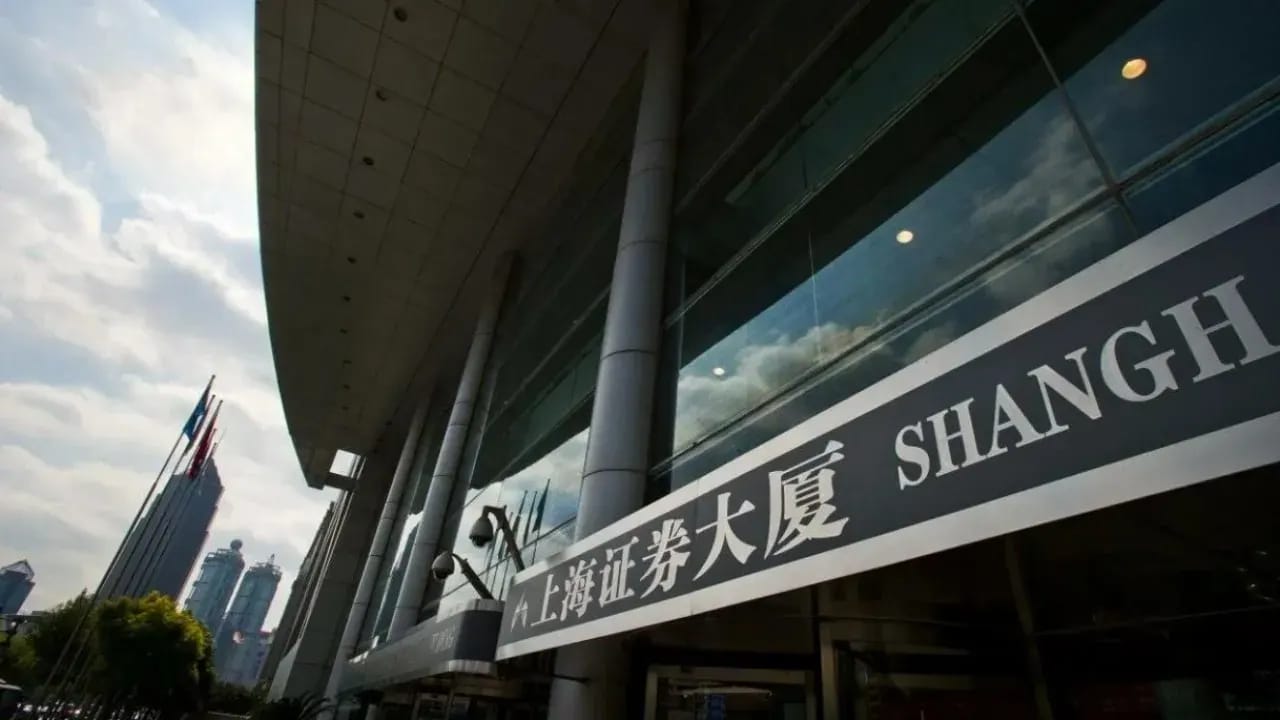
The STAR50 stock index on the Shanghai Stock Exchange, which includes leading Chinese companies in artificial intelligence and semiconductors, has fallen by approximately 40% in less than four months. As a result, the combined market value of companies included in the index has declined by around $480 billion, Reuters reports.
The CSI300 index, which tracks shares of major Chinese companies, has also dropped by about 20% from its peak in June. This has brought a pause to a two-year rally fuelled by expectations of economic stimulus measures. By comparison, the US Nasdaq index is down approximately 6% from the record high it reached three weeks ago.
According to market participants, there is no single clear reason behind the widespread sell-off. Possible contributing factors include high company valuations, tax payments and the prospect of restrictions on the use of Chinese-made equipment in data centres in the United States and other countries.
According to investment bank Goldman Sachs, AI-related companies account for 42% of China’s market capitalisation and 57% of total trading on mainland Chinese and Hong Kong stock exchanges. Private investors also continue to play a significant role in the market.
The decline has particularly affected companies popular among retail investors. Shares of robot manufacturer Unitree, which began trading in August, have lost approximately half their value. Shares of chipmaker CXMT have fallen by more than a quarter over the past month.
Since July, shares of MetaX Integrated Circuits and Moore Threads Technology have dropped by roughly 50%. Shares of optical equipment manufacturers Zhongji Innolight and Eoptolink Technology have fallen by around 60% from the peaks they reached in June and July, amid concerns about possible restrictions on exports to the United States.
Despite the decline, the STAR50 index is still valued at approximately 100 times the combined earnings of its constituent companies over the past 12 months. The comparable figure for the Nasdaq 100 is around 30 times. This suggests that Chinese AI stocks remain highly valued.
Some investors expect share prices to fall further. Hong Hao, managing partner at Lotus Asset Management, believes the current situation could affect the plans of several companies preparing to go public.
Other market participants have taken a more measured view. Goldman Sachs has added Innolight and CXMT to its updated list of recommended Chinese AI stocks. William Breton, a strategist at BNP Paribas Securities, described the current market conditions as a source of new opportunities for cautious investors.
According to HSBC, Asian investment funds have sold Chinese assets over the past three months, but China’s overall share of their investment portfolios remains high.
China’s securities regulator did not respond to Reuters’ request for comment on the matter. In early October, the agency’s chairman, Wu Qing, met with market representatives to discuss measures aimed at improving market conditions.






Comments
No comments yet. Be the first.