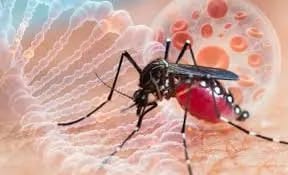
The spread of the Asian tiger mosquito (Aedes albopictus), which originates in Asia, across European countries is increasing the risk of local transmission of tropical infectious diseases such as dengue fever, chikungunya and the Zika virus. Against the backdrop of rising temperatures and growing international travel, European countries are strengthening mosquito population monitoring, improving epidemiological surveillance systems and preparing to prevent the spread of infections. Euronews reports.
One such measure has been implemented in Portugal. In September, 30,000 sterile male tiger mosquitoes were released into the natural environment in Lisbon. This is the second time the method has been used. The males, sterilised through irradiation, can mate with females but are unable to produce offspring. The method is intended to reduce mosquito populations.
From Mosquito Spread to Local Outbreaks of Infection
The tiger mosquito, which originates in Southeast Asia, is believed to have arrived in Italy in the 1990s in used car tyres. It subsequently spread to France, Spain, Germany, Switzerland and other European countries.
The main threat is not limited to the expansion of the mosquito's habitat. It is also associated with the possibility of local transmission of infectious diseases. Travellers arriving from regions where these diseases are widespread may bring viruses with them. When a local mosquito bites an infected person, it can become a carrier of the virus and transmit it to other people.
Monitoring and Prevention Measures
According to European experts, completely eliminating mosquito populations that have already become established in a particular area is extremely difficult. Therefore, the main focus is on combining several approaches. These include monitoring mosquito populations, detecting infectious diseases at an early stage and strengthening the preparedness of healthcare institutions.
Public participation also plays an important role in these efforts. For example, the Mosquito Alert mobile application allows residents to report the appearance of tiger mosquitoes in new areas. Such information helps track changes in the insects' distribution range.
According to environmental epidemiologist Jan Semenza, mosquitoes expand their range northwards by approximately 60 kilometres each year, while the areas affected by infectious diseases are expanding even faster.
Another additional monitoring method is wastewater testing. Supported by the European Health Emergency Preparedness and Response Authority (HERA), this surveillance makes it possible to identify signs of virus circulation before infected people seek medical assistance.
HERA is allocating 10 million euros to the development of new diagnostic methods. The agency also supports scientific research into the development of antiviral medicines and vaccines.
Other approaches include the use of the Wolbachia bacterium, which helps reduce mosquitoes' ability to transmit viruses. Nevertheless, experts emphasise that no single method can fully resolve the problem on its own.
The expanding range of the tiger mosquito requires European countries not only to combat the insects themselves but also to ensure comprehensive preparedness across their healthcare systems. Monitoring mosquito populations, early detection of infectious diseases, ensuring access to medicines and raising public awareness are interconnected areas of preventive action. As a result, infectious diseases previously considered characteristic mainly of tropical regions are becoming an important public health concern in Europe as well.






Comments
No comments yet. Be the first.