Scientists emphasize the importance of a personalized approach to proper nutrition during pregnancy, considering the physiological characteristics of this period and the health status of the woman. Proper nutrition during pregnancy is one of the most crucial factors that determine the future child’s health and the mother’s well-being. During this time, a woman’s body consumes twice as much energy, as it must meet the needs of both the mother and the growing baby.
During pregnancy, a woman’s body has an increased need for nutrients that support fetal development. Insufficient or imbalanced nutrient intake can lead to delayed fetal growth, premature birth, or birth defects. Therefore, proper and balanced nutrition is especially important during pregnancy.
Daily Nutrient Requirements for Mother and Baby’s Healthy Development:
PROTEINS
Proteins are essential for building all tissues, including the brain, muscles, and bones. They are also vital for placenta formation and maintaining a healthy blood composition.
- Recommended amount: 70–100 g/day
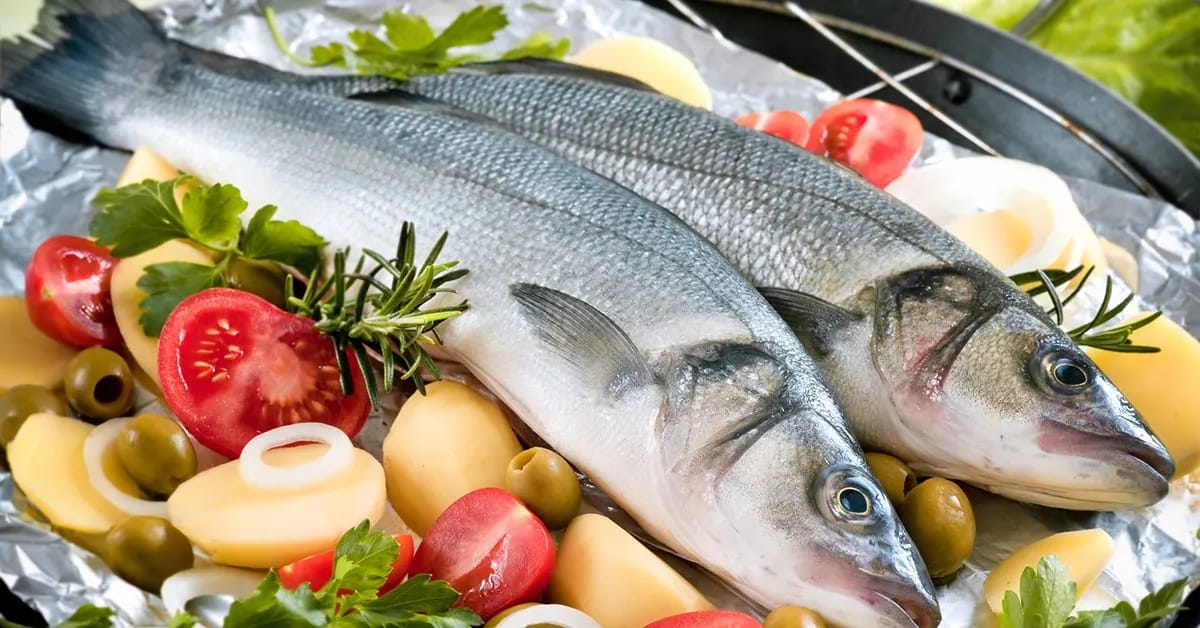
- Protein-rich foods: Lean beef, chicken, turkey, fish, eggs, dairy products (yogurt, kefir), legumes (mung beans, chickpeas), nuts
CARBOHYDRATES
Carbohydrates are the main source of energy for the pregnant woman and her growing fetus. Complex carbohydrates provide long-lasting satiety and prevent sudden blood sugar spikes.
- Sources: Whole grains, vegetables, fruits
FATS
Fats are necessary for nervous system function, hormone production, and the absorption of vitamins A, D, E, and K. It is recommended to consume mostly unsaturated fats.
- Sources: Olive oil, sesame oil, fish, avocado, nuts, seeds
FOLIC ACID (Vitamin B9)
Folic acid is crucial for the development of the baby’s nervous system. A deficiency can lead to neural tube defects.
- Recommended amount: 400–800 mcg/day
- Sources: Leafy greens, broccoli, beans, citrus fruits
IRON
During pregnancy, the mother’s blood volume increases, which requires increased iron intake to prevent anemia.
- Recommended amount: 27 mg/day
- Iron-rich foods: Red meat, liver, beans, fresh green vegetables, whole grains
- To enhance absorption: Combine with foods rich in vitamin C
CALCIUM
This mineral is important for the development of the baby’s bones and teeth and for maintaining the mother’s bone health.
- Recommended amount: 1000–1300 mg/day
- Calcium-rich foods: Milk, yogurt, kefir, leafy greens, fish
VITAMIN D
Vitamin D helps with calcium absorption. It is essential for ensuring proper calcium metabolism in the pregnant woman’s body.
- Sources: Fish, egg yolk, sunlight
IODINE
Iodine is essential for the proper function of the thyroid gland and brain development in the fetus.
- Recommended amount: 200 mcg/day
- Iodine-rich foods: Seafood
SPECIAL NUTRITIONAL CONSIDERATIONS FOR PREGNANT WOMEN
Nutritional needs during pregnancy may vary depending on several factors:
- Age: Younger pregnant women require more iron and calcium
- Weight: Being underweight or overweight affects nutrient requirements
- Health conditions: Anemia, diabetes, or kidney disease may require specialized diets
- Physical activity: Increases the need for energy and nutrients
- Multiple pregnancies: Require even more nutrients
A pregnant woman’s diet should take into account her eating habits, cravings, and physical condition. The best approach is to create a personalized meal plan in consultation with a doctor, ensuring optimal health for both mother and baby.
NUTRITION TIPS
- Eat a variety of foods: Include foods rich in protein, fats, carbohydrates, vitamins, and minerals
- Eat frequently: Eat 5–6 small meals per day to maintain blood glucose levels and reduce nausea
- Stay hydrated: Drink 2–2.5 liters of water per day
- Limit sugar and salt intake: Excess consumption can lead to diabetes and high blood pressure
- Be mindful of caffeine: Do not consume more than one cup (200 ml) of caffeinated drinks per day
- Take supplements only under medical supervision
- Ensure food safety: Wash fruits and vegetables thoroughly, cook meat, fish, and eggs completely. Avoid raw or undercooked foods




Comments
No comments yet. Be the first.