Turkmenistan continues to implement measures aimed at modernizing its education system, introducing advanced technologies into the learning process, and creating extensive opportunities for young people to acquire modern knowledge. Particular importance is attached to developing digital educational infrastructure, making wider use of electronic learning resources, and introducing international educational practices.
In accordance with the Concept for the Development of Turkmenistan’s Digital Education System, relevant measures are being implemented to use interactive methods in the learning process, establish an electronic database of educational information, and connect higher education institutions to a unified educational network.
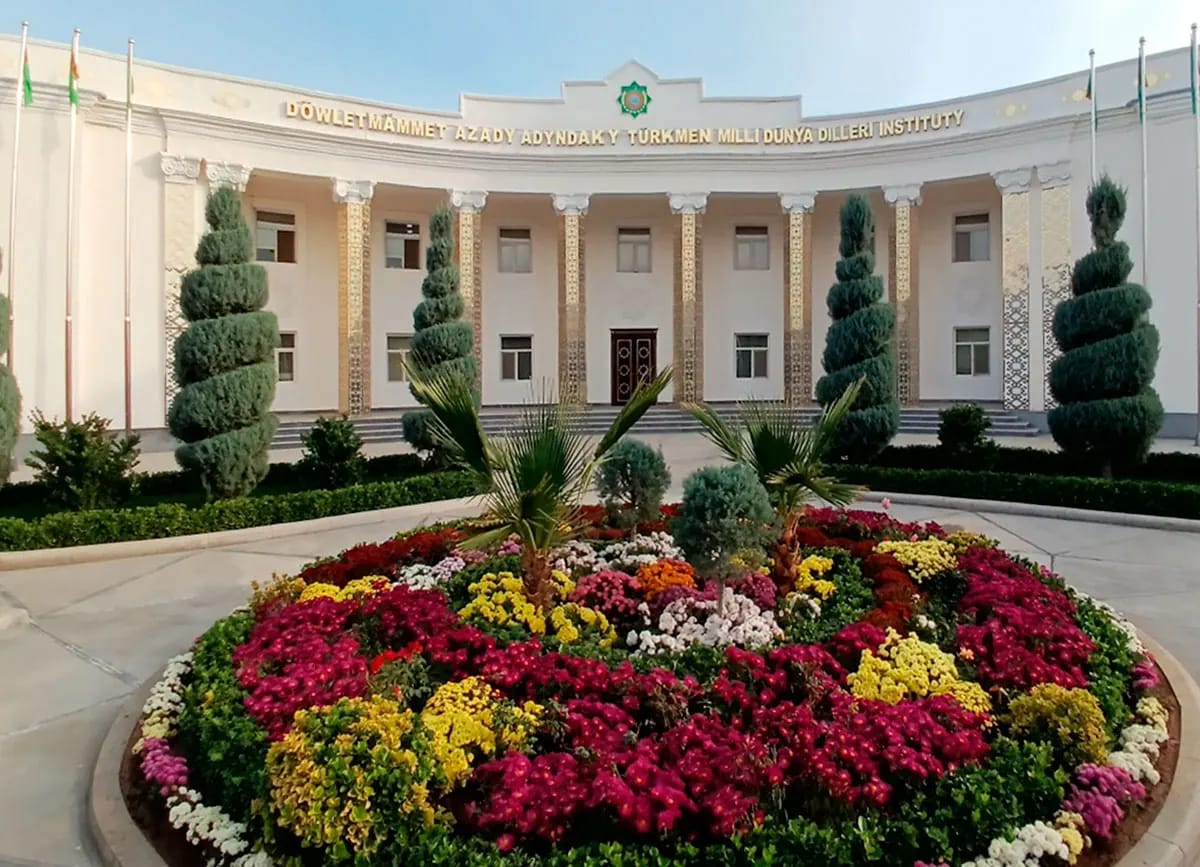
Extensive work in this area is also being carried out at the Turkmen National Institute of World Languages named after Dovletmammet Azadi. To introduce modern educational technologies and improve teaching methodologies, the institution regularly organizes scientific and practical conferences, educational seminars, and various other events. The work of its teaching staff is aimed at improving the quality of students’ professional training and advancing the digitalization of the learning process.
Innovative methods are being used in the institute’s educational activities, particularly in teaching literature to students specializing in philology. The use of digital technologies, visual teaching aids, and interactive assignments in the study of literary works, including classical literature, enriches lesson content and increases students’ interest in their subjects.
Combining digital resources with discussions and open debates helps students gain a deeper understanding of literary works, develop their language skills, and improve their analytical abilities. It is particularly emphasized that digital technologies should not replace independent reading of literary works. Their primary purpose is to develop students’ ability to think independently, analyze information, form critical perspectives, and express their opinions with supporting arguments.
Considerable attention is also paid to connecting theoretical knowledge with students’ future professional activities. By preparing comparative analyses, writing literary reviews, and completing various types of academic assignments, students learn to apply the knowledge they have acquired in practice.
The integration of digital technologies into education is an important factor in improving the professional training of young specialists and developing their digital literacy and intercultural communication skills. This approach also creates opportunities for the national education system to develop in harmony with international practices.
The activities carried out at the Turkmen National Institute of World Languages named after Dovletmammet Azadi are aimed at training young specialists who meet modern requirements, are capable of conducting research and teaching, and have mastered linguistic and literary analysis methods. Furthermore, the development of digital educational resources, curricula, and intellectual and educational projects contributes to the improvement of the country’s education system.


Comments
No comments yet. Be the first.