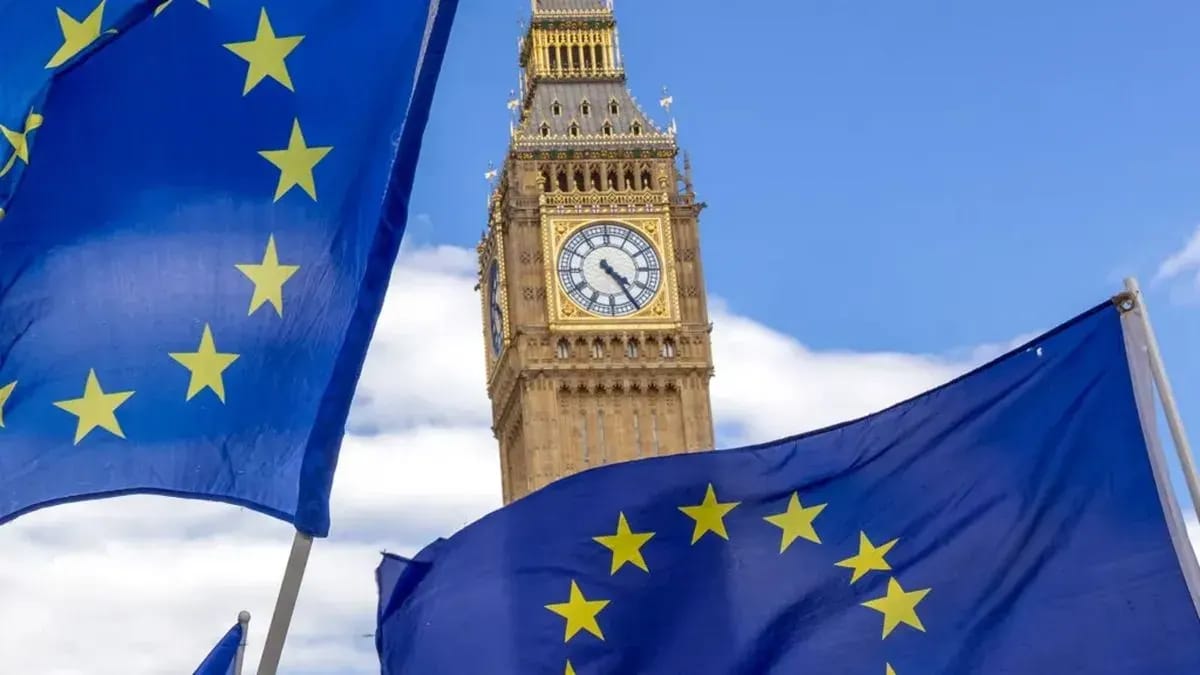
On 26 November, the UK government and the European Union will make public the texts of two agreements reached last week as part of efforts to establish a new framework for post-Brexit relations. At the same time, a bill aimed at reducing the costs of implementing the agreements’ main provisions will be presented. The BBC reports.
The package of agreements covers UK food exports, emissions allowance trading and a youth exchange programme. On Thursday, the texts of the agreements on food trade and the emissions trading system will be published. New assessments of the agreements’ impact on individual sectors and regions of the country are also expected to be presented.
According to the BBC, the food trade agreement is designed to remain in force for 10 years. If either party decides to withdraw from it, it will have to cover the costs of restoring border control infrastructure, which will be substantially reduced under the new agreement. Opposition leader Kemi Badenoch has announced that she intends to repeal the agreement. Nigel Farage, leader of the Reform UK party, has also indicated that he would refuse to pay the relevant compensation.
Under the new agreement, food exporters will benefit from the removal of numerous bureaucratic procedures and inspections. According to an internal assessment, agricultural exports could increase by up to 16 per cent. The government and industry representatives also expect lower costs to have a positive impact on consumer prices. However, business representatives believe that rising energy prices caused by the conflict in the Middle East could make this effect less noticeable.
The linking of the UK and EU emissions trading systems will also cover the aviation and maritime transport sectors. The agreements will set out how the UK can participate in developing the EU’s relevant rules without having voting rights.
The bill also provides ministers with broad powers to align British legislation with that of the European Union. This mechanism, known as “Henry VIII powers”, will allow relevant legal instruments to be amended under conditions of more limited parliamentary scrutiny.
Europe Minister Hamish Falconer said the bill would remove paperwork-related barriers for businesses trading in food and drink, protect billions of pounds worth of British exports from carbon tariffs and make it easier to do business with the country’s largest trading partner.
When presenting the agreements to MPs, Prime Minister Andy Burnham described them as pragmatic and stressed that they did not mark the beginning of more far-reaching changes. He also said that the UK could not rejoin the European Union without holding a referendum.
Kemi Badenoch, in turn, accused the Prime Minister of exaggerating the significance of the agreement and attempting to take the country back to the situation that existed in 2015.








Comments
No comments yet. Be the first.