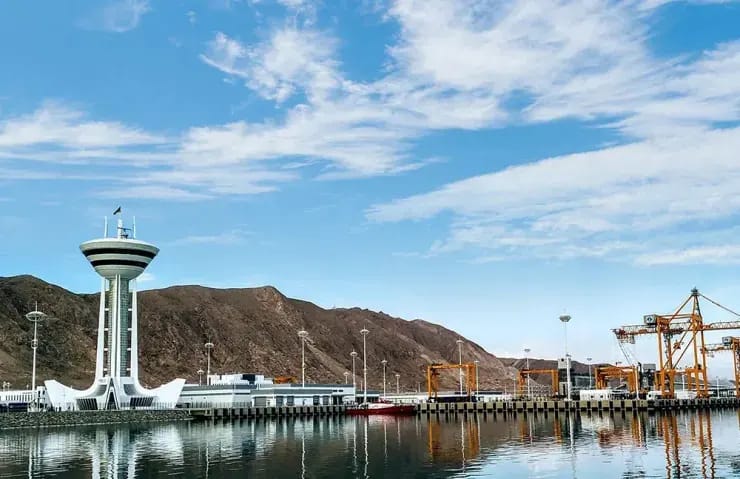
Uzbekistan’s "Uztemiryolkonteyner" Joint-Stock Company has proposed establishing regular feeder transport services on the active maritime route connecting the Turkmenbashi International Seaport and the Port of Baku. This initiative aims to accelerate the delivery of Uzbekistan's export cargo to European markets and expand the region's multimodal transport capabilities.
This proposal was put forward by Mirziyod Mirhamidow, Chairman of the Management Board of "Uztemiryolkonteyner" JSC, on September 30 in Tashkent at the 2nd National Conference on the Development of the Trans-Caspian Transport Corridor (TCTC).
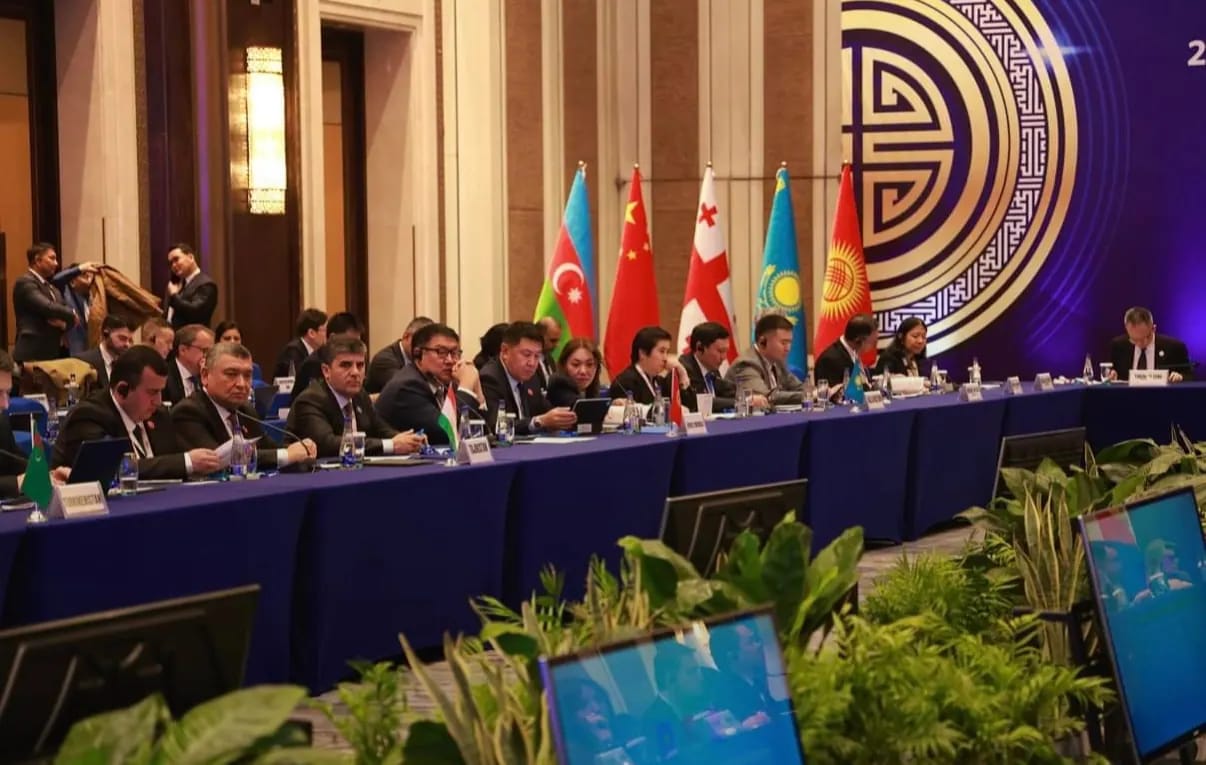
The forum was co-chaired by representatives of the Ministry of Transport of Uzbekistan and the European Commission’s Directorate-General for International Partnerships. The conference was attended by representatives of relevant government agencies, international financial organizations, development partners, and the private sector.
Uzbekistan views the use of maritime shipping via the Turkmenbashi route as one of the essential conditions for further strengthening the Caspian segment of the Middle Corridor. This route could enable a more convenient connection between Uzbekistan's railway network and the major port hubs of Turkmenistan and Azerbaijan.
Establishing regular feeder transport services along the Turkmenbashi–Baku route can create additional opportunities for optimizing regional transit, increasing the volume of international cargo transportation, and attracting new investments into the logistics sector.
The event was also attended by the Trans-Caspian Transport Corridor coordination platform, funded under the European Union’s "Global Gateway" strategy.
The conference in Tashkent is a continuation of the investment forum held in November 2025 and the first national seminar held in September 2024. During the meeting, special attention was paid to turning the priority areas of general transport connectivity into concrete projects.
Topics discussed included modernizing railway and road infrastructure, digitalizing transport documents, simplifying border crossing procedures, and more actively attracting private capital.
These initiatives are aimed at further expanding the potential of the Trans-Caspian route in developing reliable and sustainable transport connectivity between Central Asia and Europe.




Comments
No comments yet. Be the first.