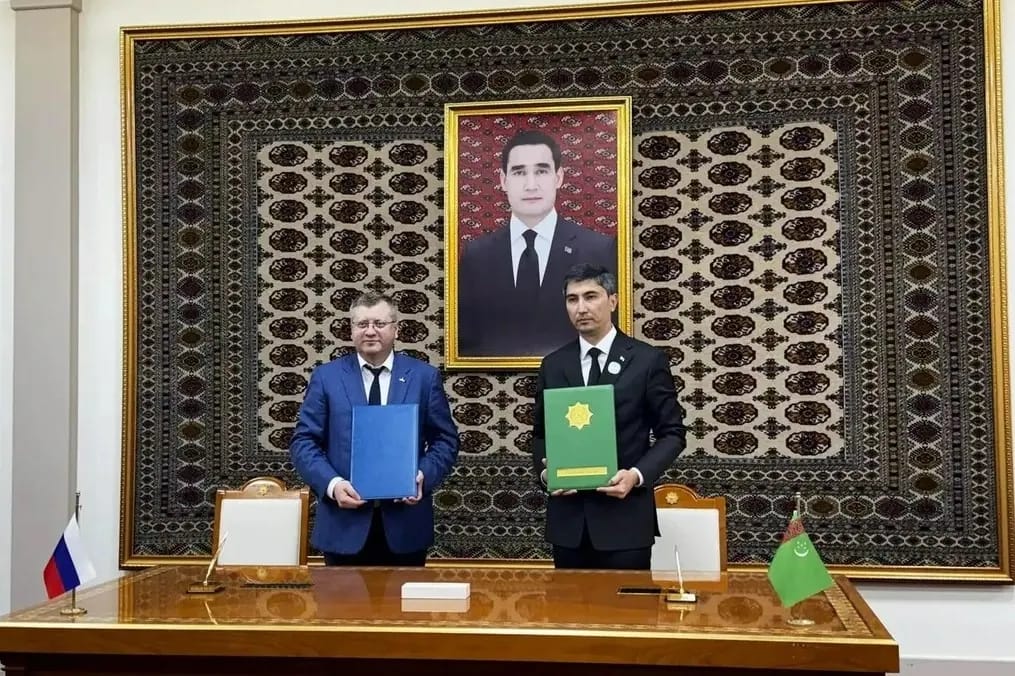
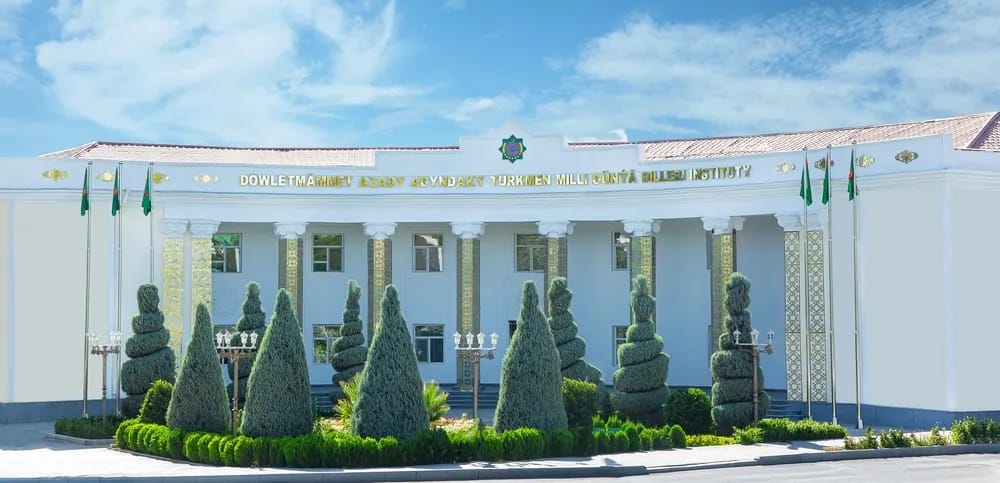
A Memorandum of Cooperation has been signed between the Turkmen National Institute of World Languages named after Dovletmammet Azadi and Lomonosov Moscow State University. The document envisages expanding academic ties between higher education institutions in the two countries, establishing exchanges for students and postgraduate students, and implementing joint programmes to improve the professional qualifications of teaching staff.
The document, signed in Ashgabat, will create new opportunities for developing research activities between the two higher education institutions, exchanging educational experience, and studying the Russian and Turkmen languages.
The memorandum was formalized through the signatures of Maksat Charyyev, Rector of the Turkmen National Institute of World Languages named after Dovletmammet Azadi, and Ivan Aleshkovsky, Vice-Rector of Moscow State University.
Under the agreement, specialized Russian-language courses for Turkmen professionals are planned to be organized at Moscow State University, while regular professional development programmes will be arranged for young researchers. These initiatives will help develop teachers’ professional skills, strengthen scientific cooperation, and expand the exchange of experience in the field of education.
The cooperation will also expand opportunities for the Russian side to study the Turkmen language. The Institute of Asian and African Studies at Moscow State University teaches Turkic languages, including Turkmen. The new agreement will create conditions for Russian students and philology specialists to undertake language training in Turkmenistan and study Turkmen directly in a native-language environment.
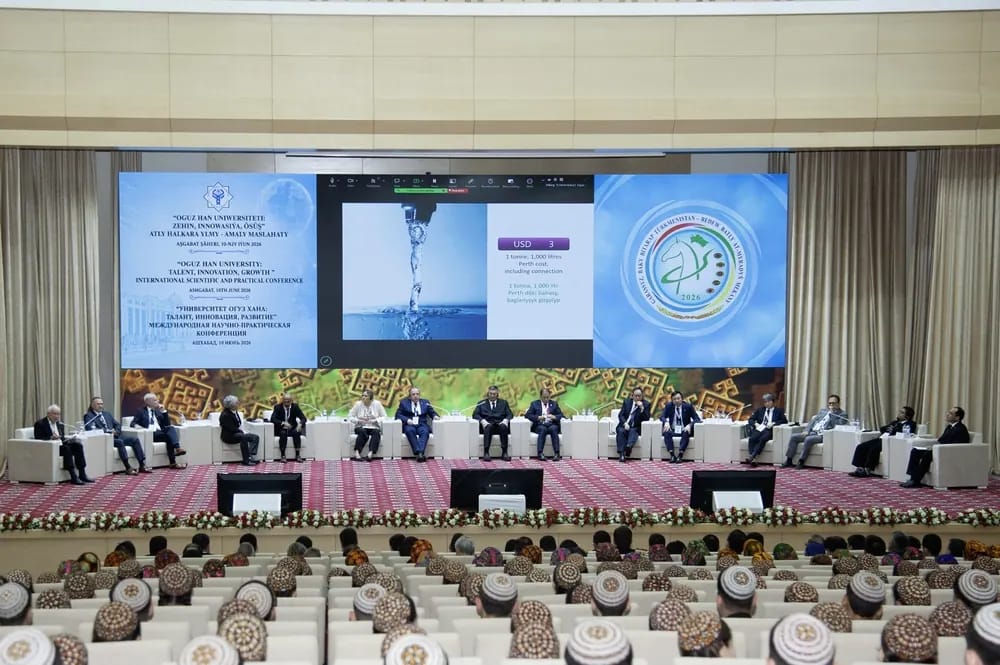
The signing of this document on the sidelines of an international forum held in Ashgabat represents an important step towards developing direct ties between higher education institutions in the two countries. The implementation of academic exchange programmes and joint research initiatives will make it possible to further strengthen cooperation in education, science and culture.
Comments
No comments yet. Be the first.