On the last day of winter, the International Football Association Board (IFAB) introduced several important changes to football rules. These rules will come into effect at the club level starting from the 2026/2027 season, while national teams will use them during the World Cup.
IFAB Decided to Combat Intentional Time-Wasting One of the three newly introduced rules concerns the issue of time-wasting, which often frustrates losing teams. From now on, during a substitution, the player leaving the pitch must exit within 10 seconds. Otherwise, the substitute will not be allowed to enter, and the team making the substitution must play with ten men until the next stoppage in play or for one minute. Previously, measures had been taken to prevent time-wasting during substitutions, such as allowing players to exit from any point on the field, but players of leading teams found various other ways to delay.
Also, starting from June, a time count will be applied to throw-ins and goal kicks. If the referee sees intentional time-wasting, a visual five-second countdown will begin. If the ball is not put into play within that timeframe:
- In the case of a throw-in delay, the right to put the ball into play will be given to the opposing team;
- In the case of a goal kick delay, a corner kick will be awarded to the opposing team.
VAR Can Check Second Yellow Cards There have also been changes to the VAR protocol. Firstly, it is planned to limit the video assistant system to only four episodes that significantly affect the course of the game. If clear evidence is available, it is now permitted to check situations regarding a red card shown after a clearly mistaken second yellow card. Notably, this innovation has seemed necessary since the day the VAR system was introduced.
Furthermore, video replays will be allowed to check wrongly awarded corner kicks, provided it does not hinder the restart of the game. For example, at the 2026 World Cup, which will be equipped with numerous cameras and technologies, referees will have the opportunity to quickly assess such moments.
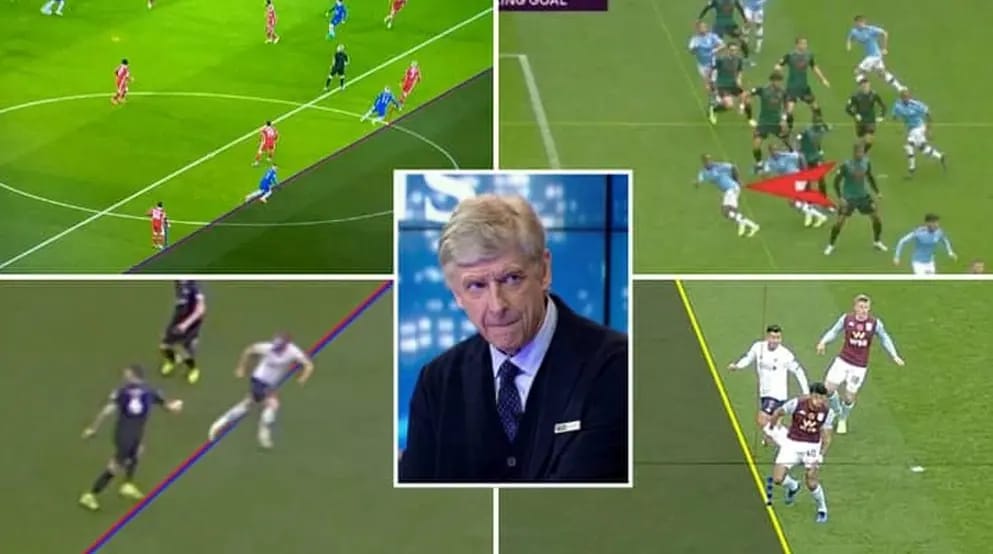
Trials for "Wenger's Offside" Arsène Wenger, the former head coach of Arsenal and currently FIFA's Chief of Global Football Development, came forward with a new proposal. According to his proposal, an offside will not be called if any part of the player's body that can score a goal is in line with or behind the last defender (even if other parts of the body are ahead of the line). An "offside position" will only be recorded if the attacker's entire body is closer to the opponent's goal line than both the ball and the second-to-last opponent.
According to the BBC, the Canadian Premier League has moved forward with the issue of testing this proposal. The results of the trials in Canada will be presented to IFAB at the end of the year. These rules are likely to take effect worldwide by the 2027/28 European season. However, IFAB is expected to require more extensive trials, especially considering the absence of VAR in the Canadian league.






Comments
No comments yet. Be the first.