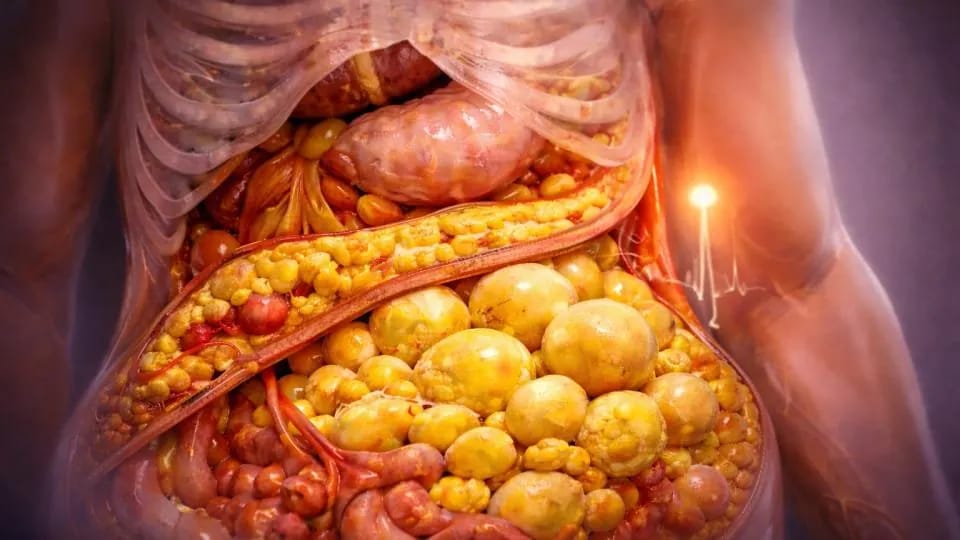
Japanese scientists have found that certain changes occurring in the body as a result of obesity can persist even after weight loss. This condition is linked to changes in the activity of immune system cells, specifically macrophages.
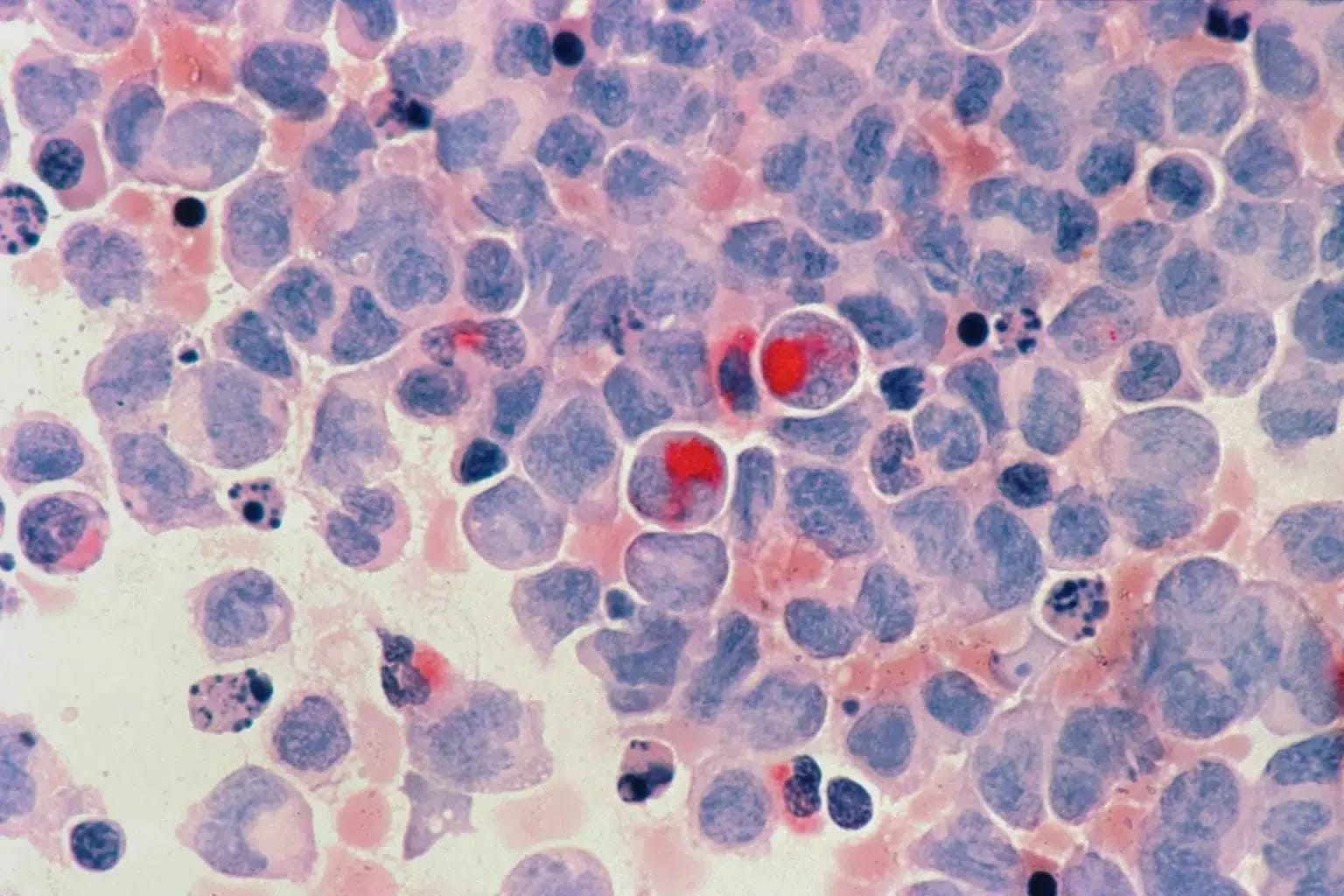
In a study conducted by medical specialists from Saga University, the state of macrophages in the adipose tissue of mice that had experienced obesity was examined. The scientists discovered that in some of them, the level of the CWC22 protein decreases, which slows down fat breakdown during the weight-loss period.
According to the study results, gene expression and types of RNA in macrophages change during the period of obesity. Notably, 51,9 percent of the changes associated with RNA persisted even after the animals lost weight. This figure turned out to be significantly higher than the long-term changes in gene activity.
A deficiency of the CWC22 protein reduces the ability of macrophages to clear dead cells. In such a case, the production of inosine in adipose tissue also decreases. Inosine is one of the substances that promotes the breakdown of fat. Increasing inosine levels in mice contributed to a faster reduction in adipose tissue and body weight.
Having studied this process related to the Scarb1 gene, scientists attempted to normalize macrophage function using a special antisense oligonucleotide, AS2. In experiments, this method improved the clearance of dead cells, increased inosine levels, and enhanced fat breakdown.
It was found that similar changes occur in macrophages of the human body. However, the main results of the study are based on experiments conducted on animals. Therefore, this discovery cannot yet be regarded as a ready-made method for treating obesity or difficulties in losing weight.
The research findings were published in the scientific journal Science Translational Medicine. According to the scientists, the new data will provide a better understanding of why certain effects of obesity persist in the body for a long time.




Comments
No comments yet. Be the first.