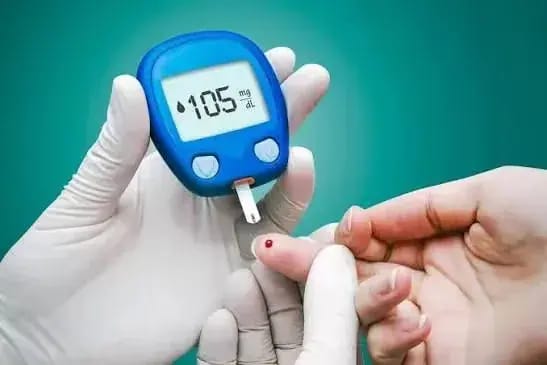
The medical world stands on the threshold of a new era in the treatment of diabetes. This chronic disease, which for many years could only be managed through insulin injections and a strict diet, could now be fundamentally transformed by regenerative medicine. Trials on stem cells conducted by leading research centers in China and Western countries demonstrate that it is possible to completely overcome this disease in the future.
However, what lies behind this scientific breakthrough, and when can we talk about mass treatment?
The Primary Goal of the New Treatment and Achieved Results The main objective of stem cell therapy is to restore the body's own capacity to reproduce insulin. During the course of the disease, the damaged beta cells of the pancreas lose their function. Initial clinical trials have shown that in some patients suffering from severe forms of diabetes, blood sugar levels normalized after stem cell transplantation, and the need for artificial insulin decreased significantly.
Nevertheless, the scientific world approaches these achievements with caution. Experts are currently working on three major obstacles:
- Immune System Resistance: In type 1 diabetes, the body's own immune system recognizes the newly transplanted cells as an "enemy" and attempts to destroy them. Scientists are working on inventing special micro-capsules to protect these cells.
- Safety and Stability: It has not yet been fully proven how long stem cells will maintain their activity in the body and whether they will cause unwanted tumors (neoplastic diseases) in the future.
- Accessibility: This treatment is currently carried out only under laboratory conditions and within highly expensive projects. Turning it into an accessible product for millions of patients worldwide requires many years of hard work.
Experts' Conclusion: Today, it is still too early to say that "diabetes has been completely defeated." However, these researches represent the greatest scientific step taken in the last 50 years toward completely curing the disease, rather than just eliminating its symptoms.
As of today, stem cells are not a ready-made medicine, but our greatest and most realistic hope for the future. For patients, the most reliable method at present remains to continue under medical supervision, maintain proper nutrition, and use conventional technological tools (glucometers and insulin pumps).


Comments
No comments yet. Be the first.