Types of Potatoes
Varieties differ by skin color, shape, taste, and disease resistance:
-
White-skinned varieties — most common, high-yield, and good taste.
-
Yellow-skinned varieties — rich in vitamins and nutrients.
-
Red-skinned varieties — dense texture, store well.
-
Purple-skinned varieties — rare, highly resilient to pests and climate.
Selection depends on local climate and intended use — consumption, processing, or storage.
Planting Methods
There are several planting techniques used for potatoes:
-
Sprouted tuber planting (seedling method)
Pre-sprouted tubers are planted in the field. Ensures quick growth and disease resistance. -
Direct planting of whole tubers
Tubers are directly planted into the soil. A common method that requires good irrigation. -
Ridge or layered planting
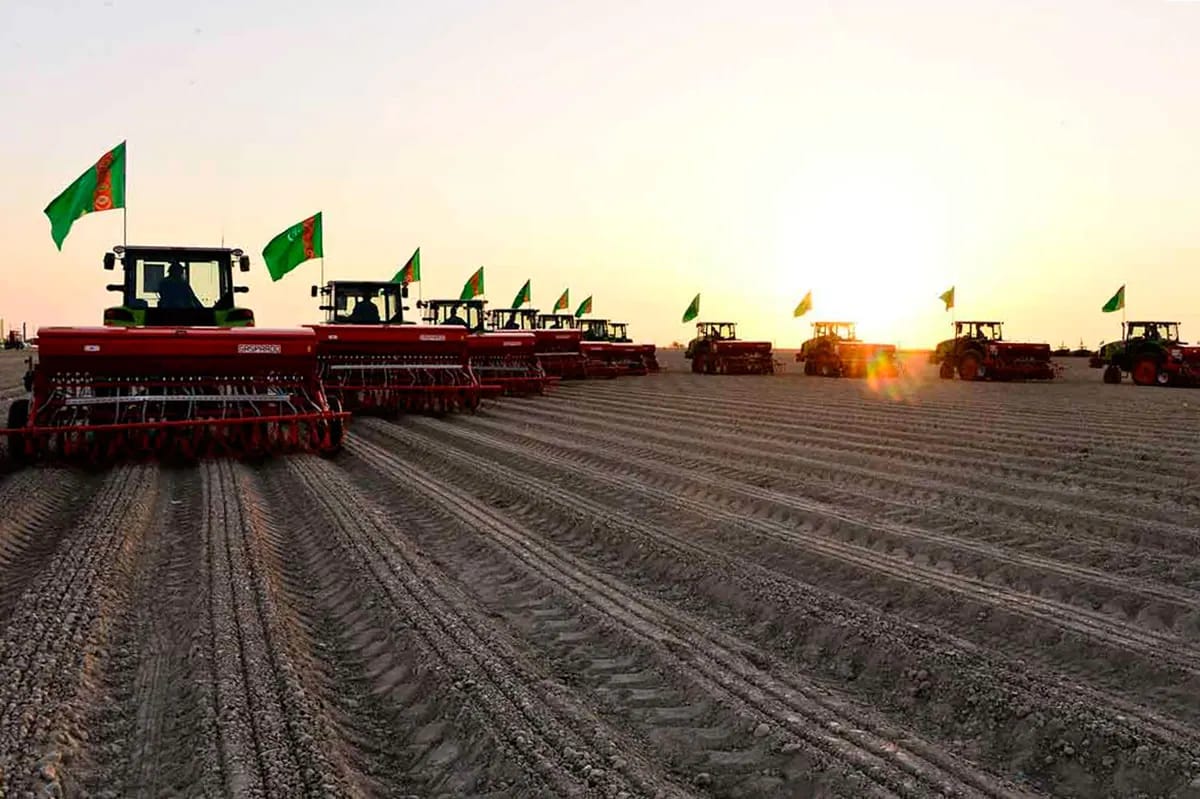
Used in large-scale farming. Helps retain moisture and simplifies cultivation.
Planting Times
In Turkmenistan, planting time varies by region and climate:
-
Spring planting — from late March to April. Most widely practiced.
-
Summer planting — June to July. Often as a second crop after early harvests.
-
Autumn planting — possible in some areas with warm and moist conditions.
Other Key Agronomic Conditions
-
Soil preparation — deep tilling and leveling.
-
Irrigation — timely and sufficient watering.
-
Fertilization — nitrogen, phosphorus, and potassium are essential.
-
Pest control — regular monitoring and treatment are important.
For a good potato harvest, proper variety selection, planting method, and timing are crucial. In Turkmenistan, potato farming is developing through the use of modern techniques and locally adapted varieties.


Comments
No comments yet. Be the first.