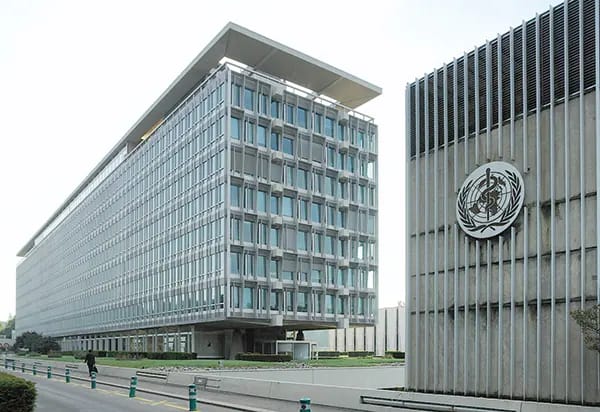
The World Health Organization (WHO) has outlined six important measures that governments should implement to reduce the harmful effects of climate change on human health.
According to a special report recently published by the organization, implementing these initiatives could save 1.6 million lives every year and bring substantial economic benefits. Currently, approximately 3.6 billion people worldwide live in regions where they are more exposed to climate change and the health risks associated with it.
The measures proposed by WHO are aimed at protecting public health and preventing risks linked to climate change. They include:
Providing the public with advance warnings about high temperatures and strengthening the capacity of healthcare systems.
Developing systems capable of ensuring an uninterrupted supply of clean drinking water, even during droughts or natural disasters.
Improving sanitation conditions in populated areas.
Providing people with essential hygiene supplies and creating convenient facilities for handwashing.
Using cleaner fuels and modern technologies for cooking and heating homes.
Introducing more effective pricing policies for fossil fuels.
Experts note that implementing these measures could play an important role in reducing health problems associated with climate change.






Comments
No comments yet. Be the first.