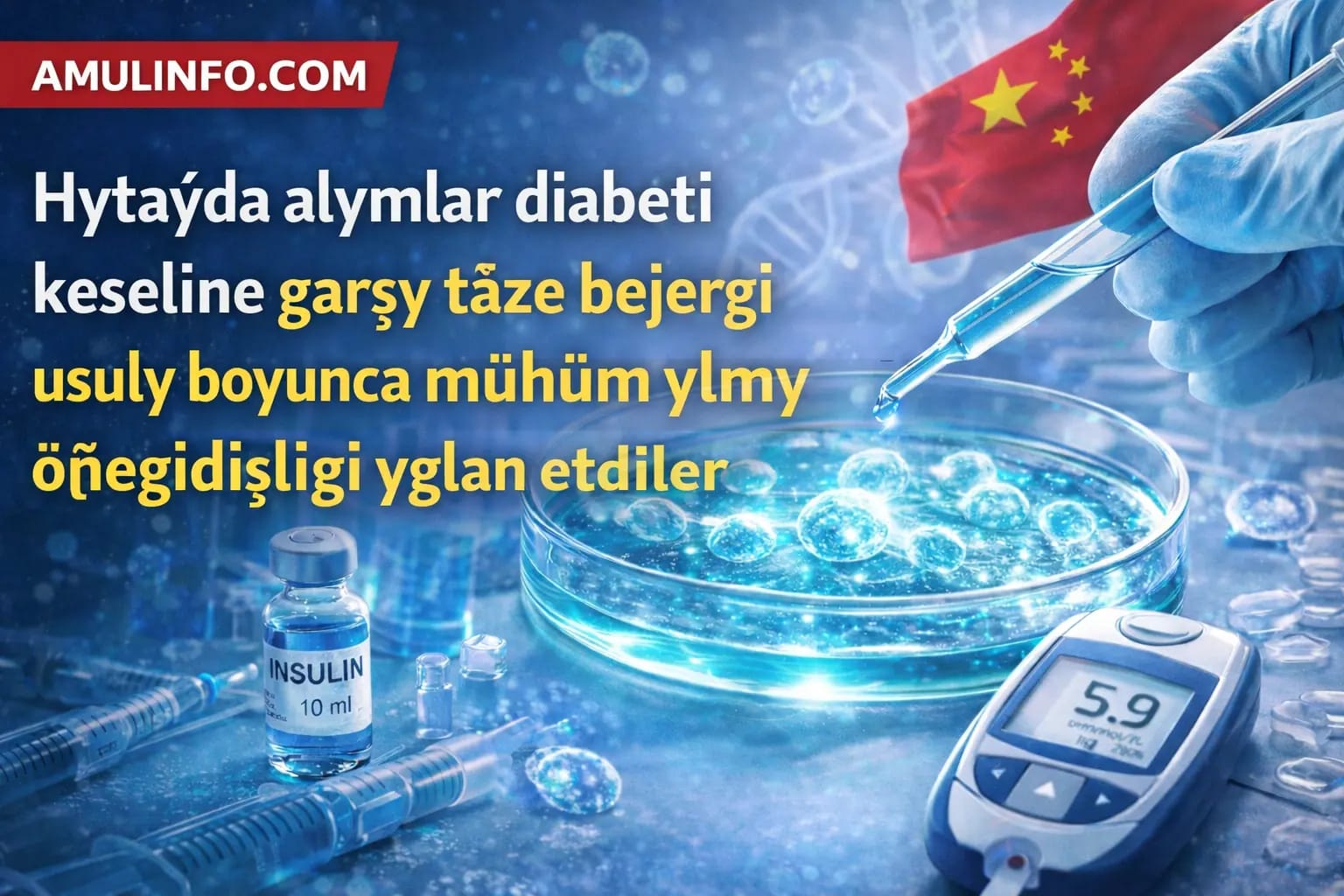
Scientists in China have announced a major breakthrough in diabetes research involving stem-cell-based therapy designed to restore insulin production in patients with type 1 and type 2 diabetes.
During early clinical trials, researchers successfully created functional pancreatic cells capable of producing insulin and transplanted them into patients. According to reports, some participants were able to significantly reduce or even completely stop using external insulin.
The therapy works by transforming stem cells into cells similar to pancreatic islet cells. These cells can detect glucose levels in the blood and naturally release insulin to regulate blood sugar.
For patients with type 1 diabetes, an autoimmune disease in which insulin-producing cells are destroyed, this approach could biologically replace the lost cells. In some cases of type 2 diabetes, restoring insulin production together with improved metabolism could significantly improve blood sugar control.
However, experts emphasize that larger clinical trials, long-term monitoring, and regulatory evaluation are still required before the therapy can be considered a universal treatment.
Nevertheless, the possibility of restoring the body’s own insulin production is considered one of the most exciting developments in diabetes research in recent decades.




Comments
No comments yet. Be the first.