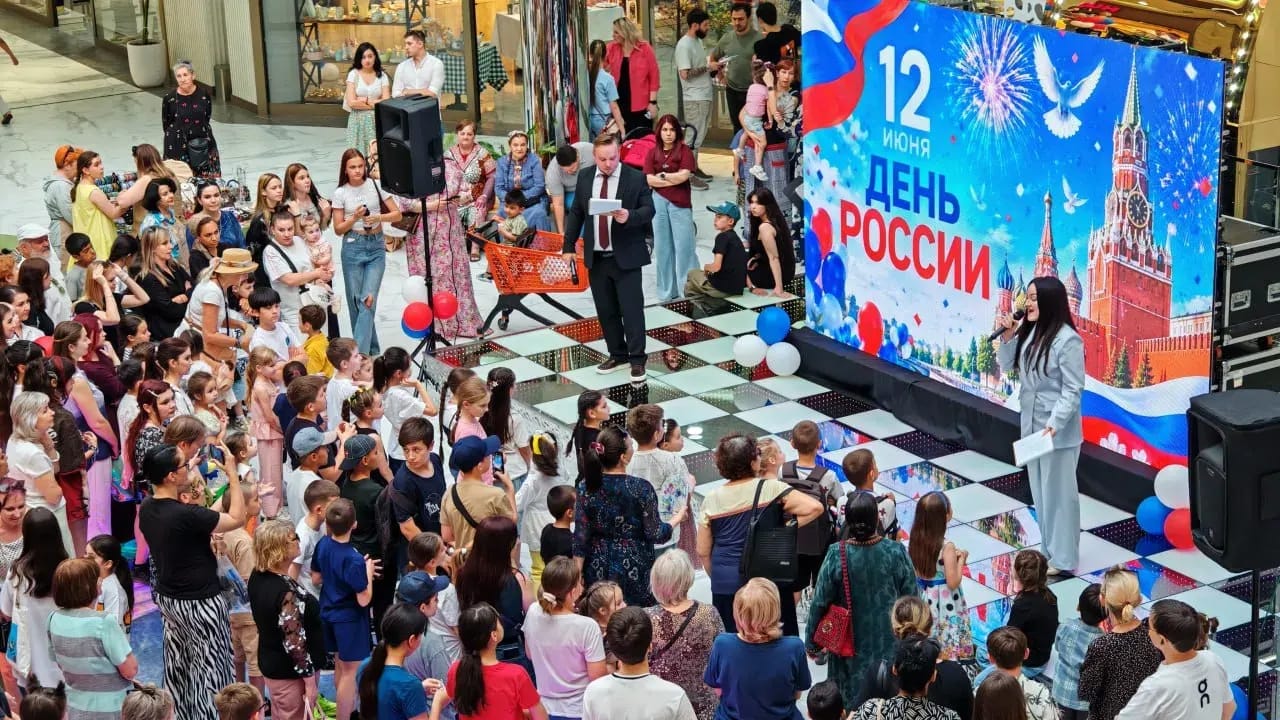
There is considerable interest in the Russian language and Russian culture in Turkmenistan. Audiences enthusiastically watch Russian films and TV series, listen to songs by Russian pop performers, and concerts featuring artists from Russia often take place in packed venues. This was stated by Ivan Volynkin, Ambassador of the Russian Federation to Turkmenistan, in an interview with the press service of the international literary competition “Russian Glagol.”
According to the diplomat, Russian-language songs are frequently heard in shopping centres and cafés. He noted that, historically, Russian has served as a means of communication among representatives of different ethnic groups in Turkmenistan.
Ivan Volynkin stressed that learning Russian is particularly important for young people today. In his view, proficiency in the language enables them to study at Russian universities, access a wide range of information resources, explore scientific and literary heritage, and establish professional contacts.
The ambassador said that, within the scope of its responsibilities, the Russian Embassy in Turkmenistan supports initiatives aimed at improving Russian-language teaching, training Russian-language teachers, modernising educational materials and promoting Russian literature. These projects involve not only specialists from Ashgabat but also representatives from other regions of Turkmenistan.
The interview also highlighted the international significance of the Russian language. Every year on 6 June, the birthday of the great Russian poet Alexander Pushkin, Russian Language Day is celebrated in many countries around the world, including Turkmenistan.
One of the main venues for events marking the occasion in Ashgabat is Pushkin Park. A bronze statue of the poet was installed there in 1901. On the holiday, many people visit the park to lay bouquets of flowers at the monument.
The Russian ambassador also described the unveiling of a monument to Russian writer Fyodor Dostoevsky in the Magtymguly Pyragy cultural and park complex in 2024 as an important event. According to him, the initiative symbolises the respect shown for the contribution of Russian literature to the development of world culture.



Comments
No comments yet. Be the first.