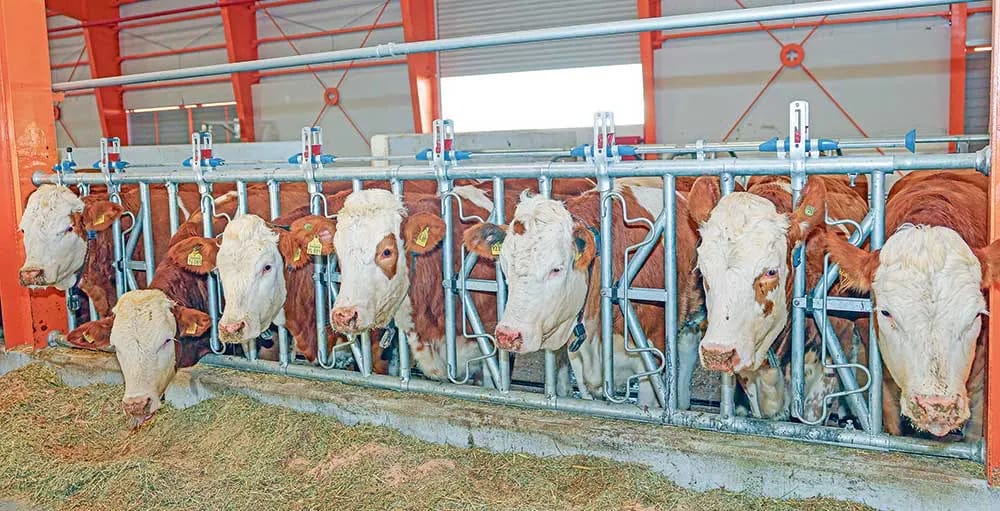
During seasonal transitions, the risk of various infectious diseases emerging among livestock increases. Therefore, strengthening veterinary control and carrying out preventive measures in a timely manner is of vital importance in livestock farming.
According to specialists, with the end of the summer season and the transition to autumn, an infectious disease known as ephemeral fever or "three-day sickness" may occur among cattle. This disease proceeds in an acute epizootic form in cattle and is characterized by a short-term fever.
Animals suffering from the disease may exhibit symptoms such as inflammation of the mucous membranes of the nasal and oral cavities and the esophagus, muscle stiffness, difficulty in movement, and lameness.
Ephemeral fever has been recorded in various countries, including Japan, certain regions of Africa, Australia, and India. Therefore, regular monitoring of the condition of animals is necessary during the seasonal shift.
If an animal shows signs of malaise or any of the symptoms mentioned above, it is advised not to attempt self-treatment, but rather to consult a veterinary professional. Diagnosing the disease and administering the appropriate treatment must be carried out solely in accordance with a specialist's advice.
Observing sanitary rules on farms, maintaining constant control over the condition of animals, and notifying the appropriate services at the first signs of illness will help prevent the spread of infectious diseases.








Comments
No comments yet. Be the first.