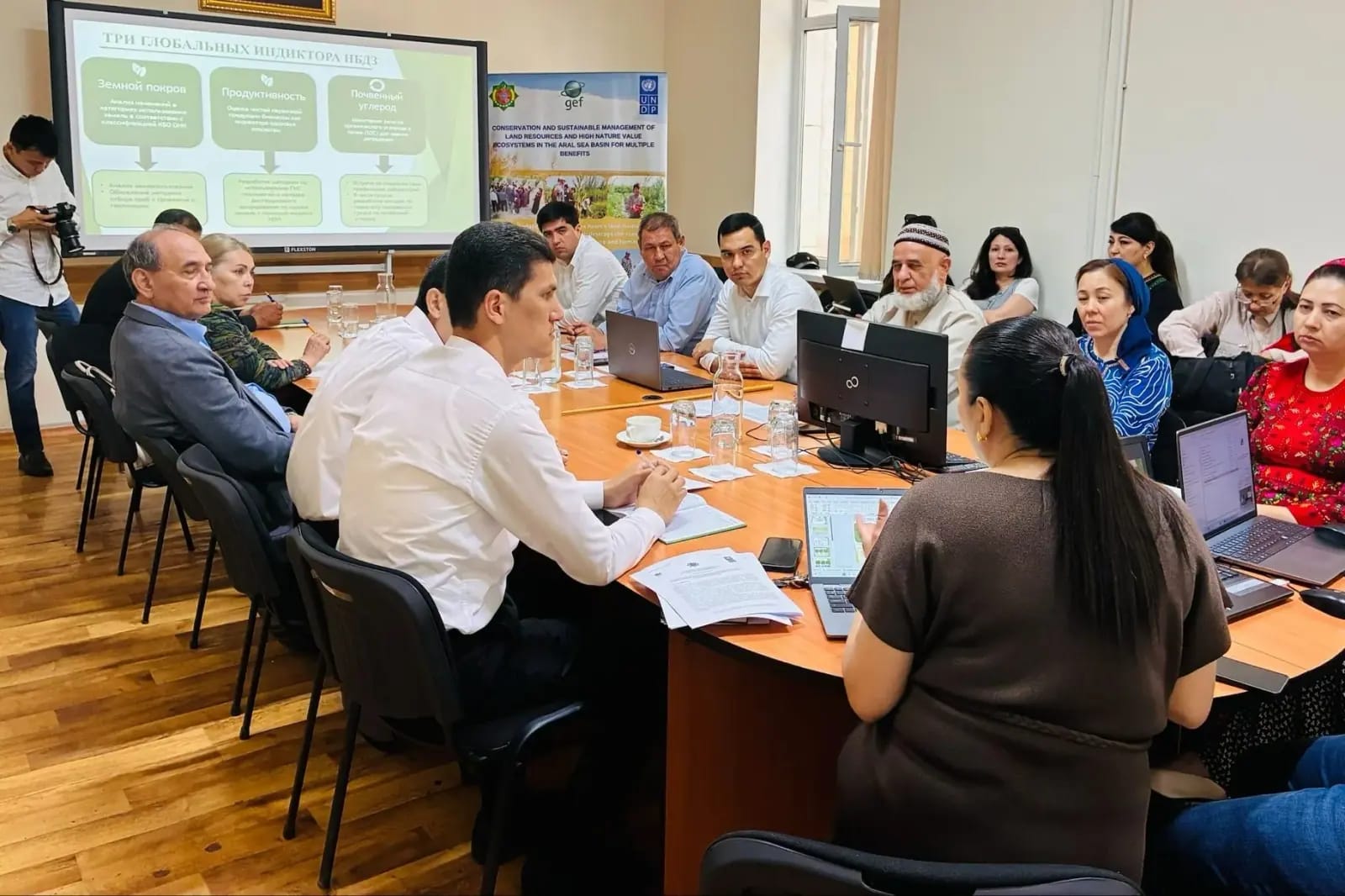
The Scientific Information Center of the Interstate Commission for Sustainable Development (SIC ICSD), together with the United Nations Development Programme (UNDP), the Global Environment Facility, and relevant sector agencies of Turkmenistan, has launched a new stage of environmental measures. Within the framework of this cooperation, it is planned to actively integrate the principles of land degradation neutrality into the state policy on land use.
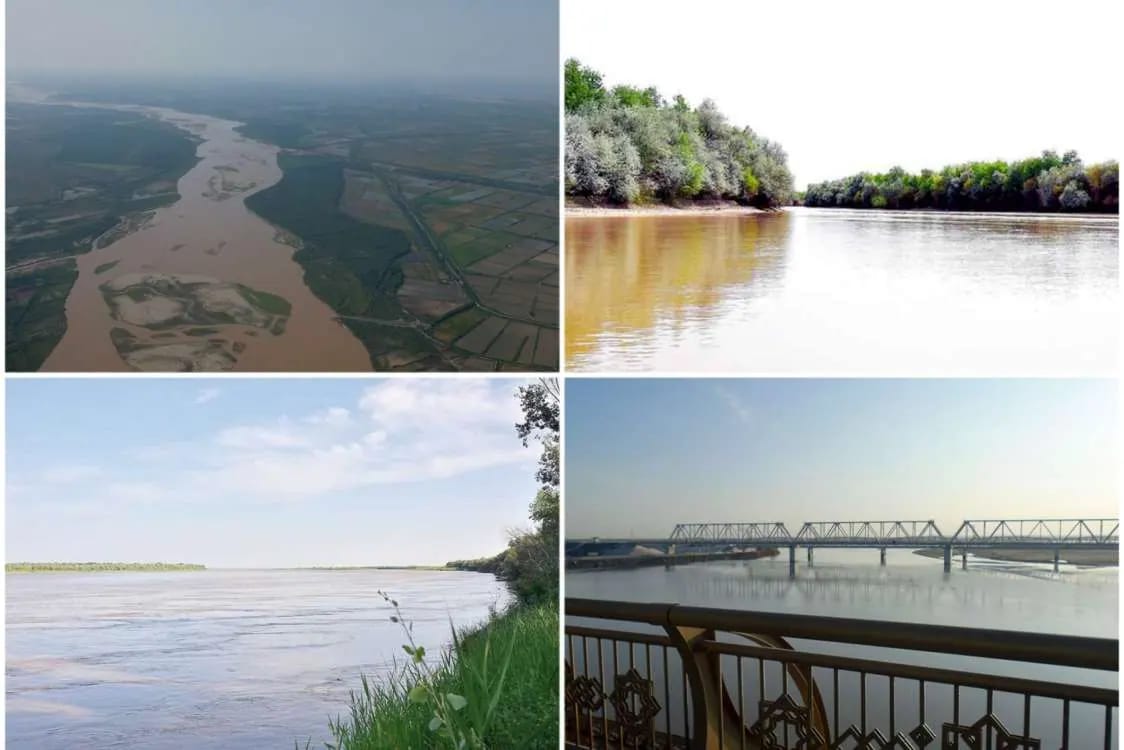
The State Program for the Development of the Digital Economy for 2026–2028 is being implemented in our country. The main direction of the new environmental project, aligned with this program, consists of transitioning to modern Geographic Information Systems (GIS) and effectively utilizing satellite remote sensing data of the earth. With the aim of creating the foundation for the modernized national monitoring system, a team of experts recently organized special field expeditions to the Lebap and Dashoguz velayats.
The large volume of practical data collected during the expeditions made it possible to identify local "hotspots" of degraded lands in pastures, irrigated areas, and protected natural zones. These studies and analyses were conducted in full compliance with the international standards of the United Nations Convention to Combat Desertification. The gathered information will form the basis of a unified digital database that will help accurately predict soil conditions and promptly adopt appropriate management decisions.
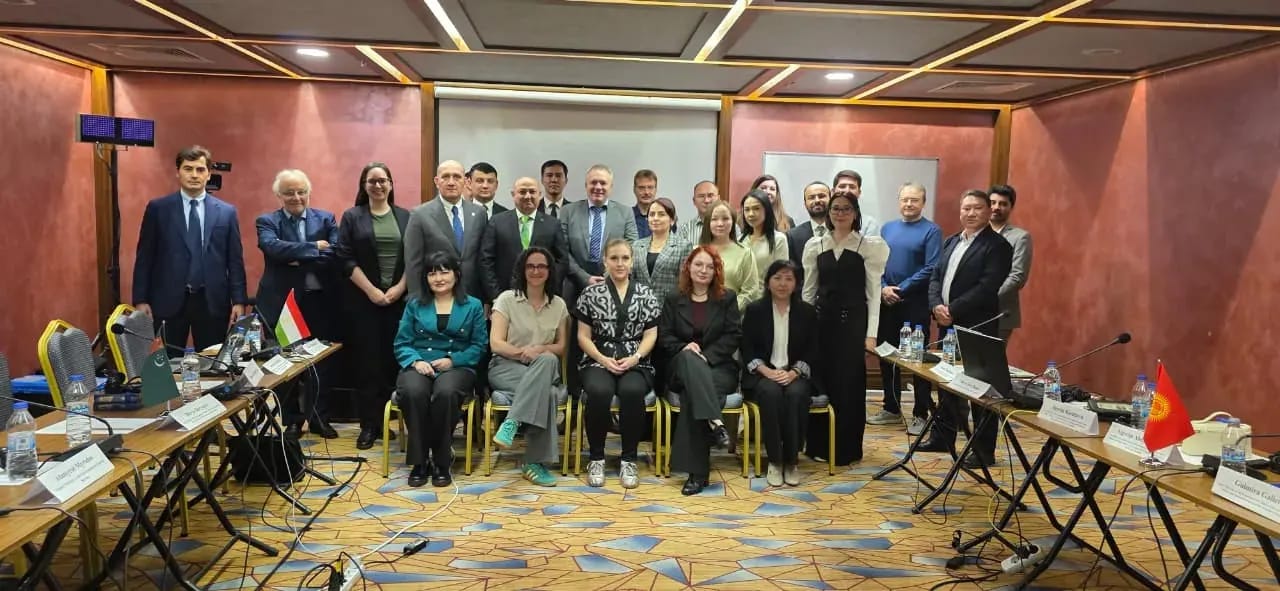
Concurrently, work is currently underway in Turkmenistan to prepare a new edition of the National Action Program to Combat Desertification. Furthermore, with the aim of ensuring environmental sustainability in the region, an initiative to establish a specialized Regional Center for Central Asian countries is being studied on a scientific basis. The implementation of these international initiatives will further strengthen Ashgabat's prestigious status as a key expert platform in matters of regional environmental security.
Comments
No comments yet. Be the first.