
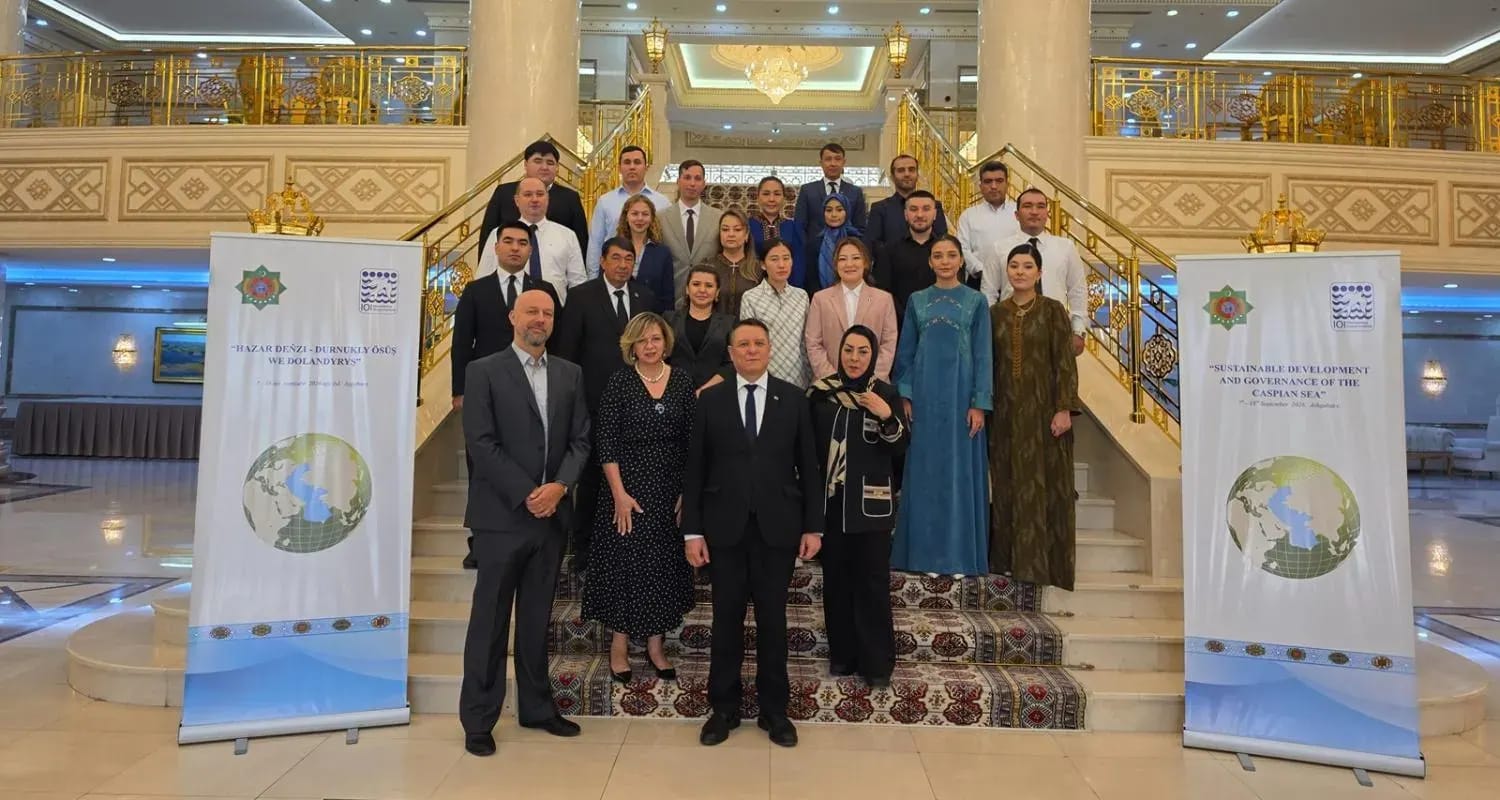
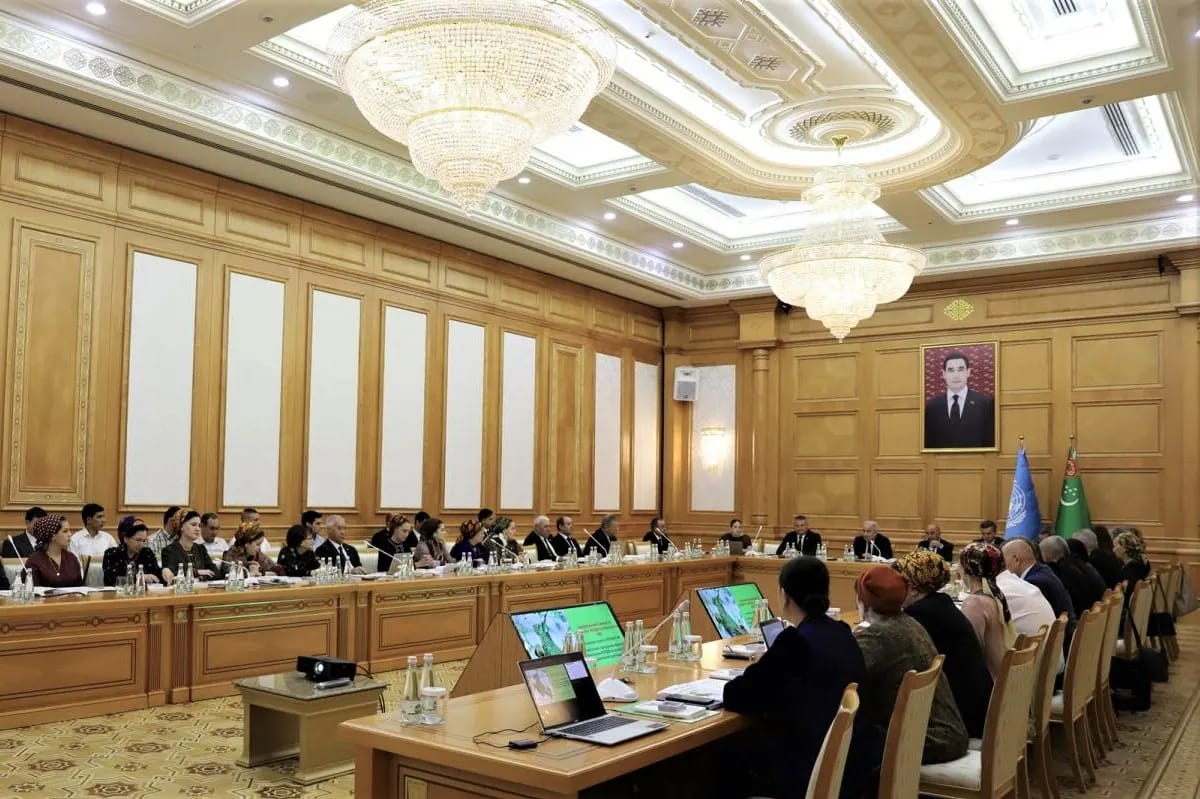
Important steps are being taken in Turkmenistan to protect the Caspian Sea from plastic waste and ensure environmental safety. To this end, a round table was held in Ashgabat dedicated to improving environmental legislation in the country's Caspian region and introducing a modern waste control system.
The meeting was attended by representatives of the Ministry of Environmental Protection of Turkmenistan, the UN Development Programme (UNDP), UNEP, the Tehran Convention, local government officials, and eco-activists. This event was organized within the framework of an ongoing regional project to combat marine litter in the Caspian Sea.
One of the main topics of the negotiations was the launch of a specialized waste monitoring program. With the help of new tools, ecologists will be able to obtain accurate data on the origin of the marine environment—specifically the sources of plastic waste—and take prompt, effective measures against its generation.
Experts also discussed updating the national legal framework, developing modern environmental standards, and consistently implementing circular economy principles. This system involves sending plastic and other waste for recycling rather than letting it end up in nature.
The project is based on international experience and the mechanisms of the Framework Convention for the Protection of the Marine Environment of the Caspian Sea (Tehran Convention). Its main goal is to block the pathways through which waste from land enters the sea's waters and to unite the efforts of all Caspian littoral states to preserve the unique ecosystem of the Caspian Sea.

Comments
No comments yet. Be the first.