Myrat Kuliyev, Researcher at the State, Law and Democracy Institute of Turkmenistan: Adopted on October 25, 2004, and effective from November 1 of the same year, the Law “On Land” is the main source of land law in Turkmenistan and forms the basis of land legislation. New regulatory acts are adopted based on this law. The main task is to ensure compliance with land law requirements. Currently, land relations are closely linked with civil law relations, and civil law methods are one of the main tools for regulating land relations. Land law is an independent branch of the national legal system, regulating the use and protection of land as a natural object, and as a means and condition of production. The main goal of regulating land relations is the rational use and protection of land, increasing soil fertility, and protecting the rights and lawful interests of land users. The main tasks of Turkmenistan’s land legislation include regulating land relations, implementing measures for rational and efficient use of land resources, carrying out state programs on land use and protection, implementing state land management, maintaining the State Land Cadastre, defining a unified state policy on land use, determining the basis for the emergence, change, and termination of ownership, use, and lease rights of land plots, establishing procedures for implementing the rights and obligations of landowners, users, and leaseholders, ensuring activities to improve soil fertility and preserve the natural environment, and creating conditions for equal development of all types of land-based economic activities. An important feature of land rights is state land administration. Authorized state bodies carry out the state land cadastre, monitor the condition of lands, allocate and withdraw lands, organize land management, and exercise state control over land use and protection. According to the Law “On Land,” the land fund is divided into agricultural lands; forest fund lands; water fund lands; state reserve lands; lands of settlements; lands for industry, transport, communications, energy, defense and other purposes; and lands for nature protection, recreation, health improvement, and historical-cultural purposes. Rational land use is an ecological-economic concept that ensures the preservation, improvement of land, and achievement of economic results. Landowners, users, and leaseholders must use land only for its intended purpose, defined when registering land rights. Using land for other purposes is prohibited by law. The legislative system, as one of the pillars of state social, economic, and cultural policy, is a reliable means of national unity and ensures social stability. State attention to legislation highlights its role in safeguarding human welfare, social cohesion, and alignment with moral principles.
Land and National Legislation
2 min read30
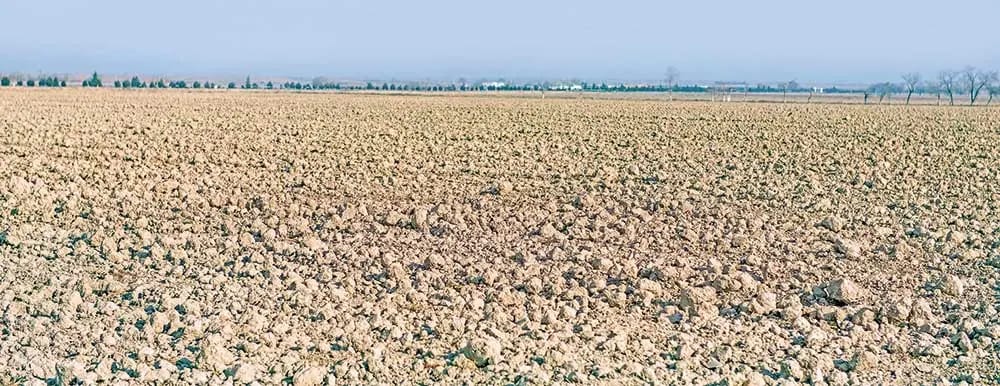
The Law “On Land” in Turkmenistan regulates land relations, the use and protection of land, and the rights and duties of citizens. It ensures rational land use, ecological development, and public interests.




Comments
No comments yet. Be the first.