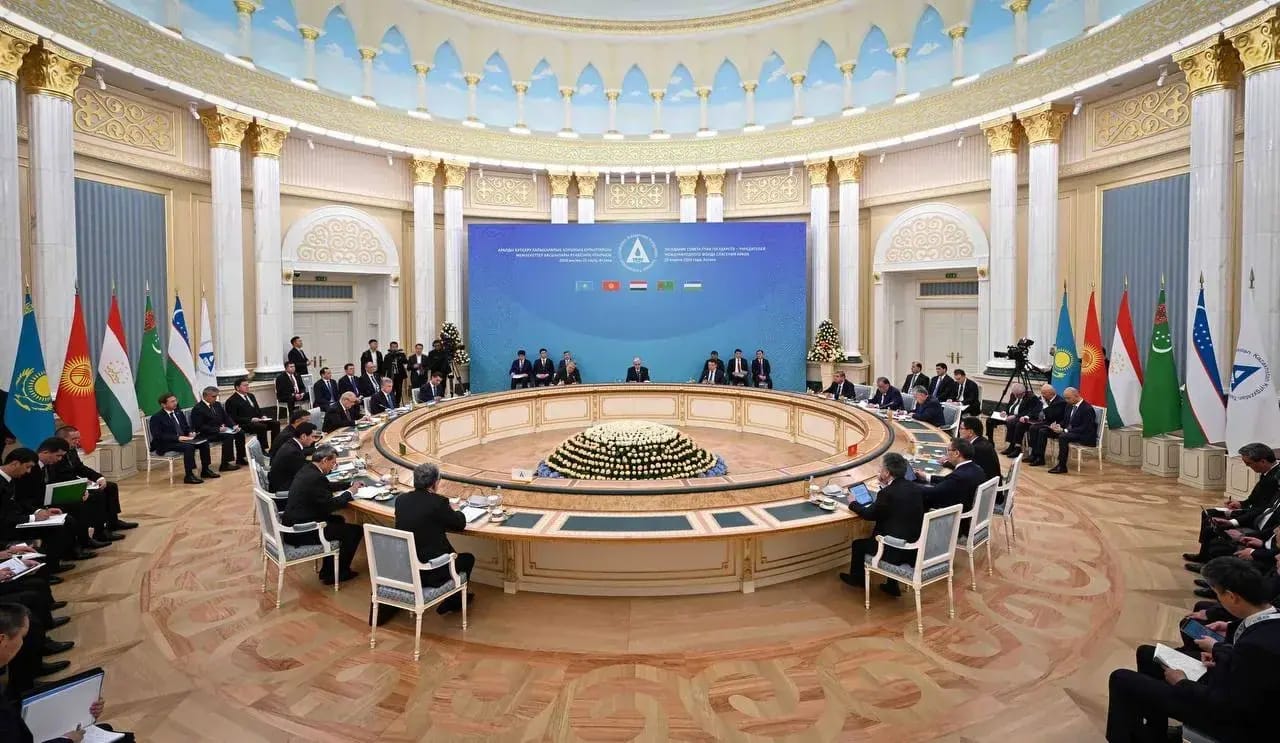
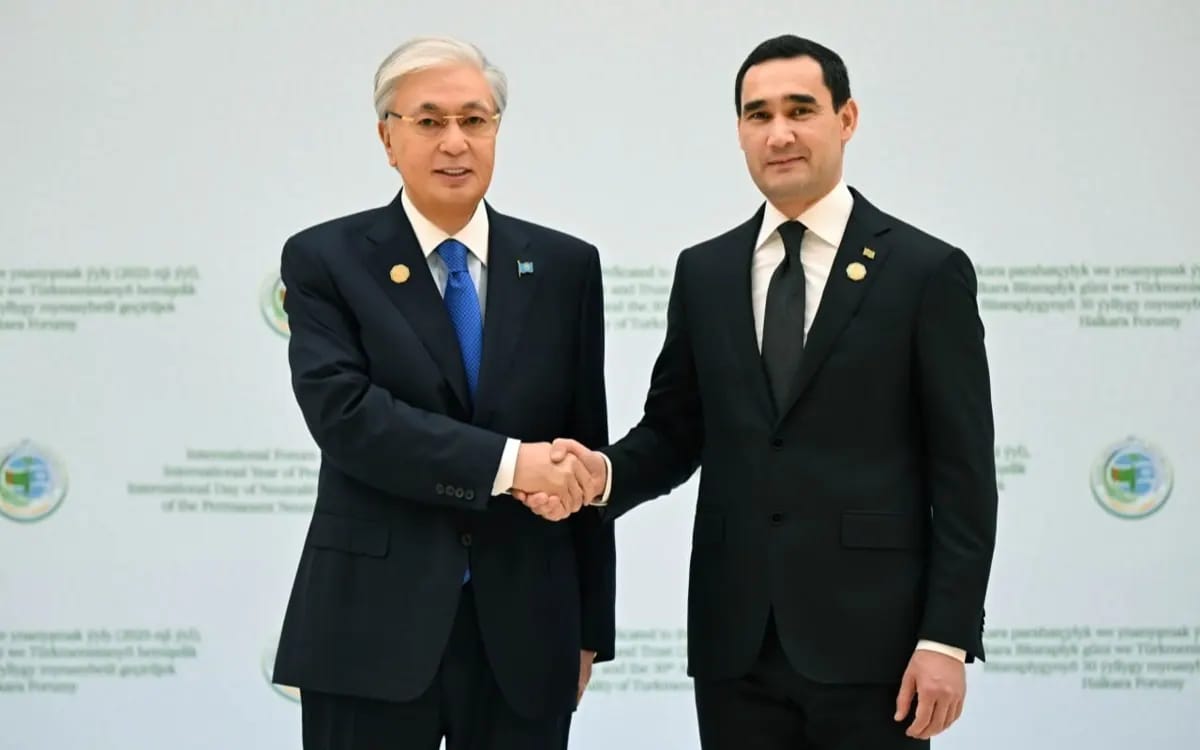
The meeting of the Council of Heads of the Founder States of the International Fund for Saving the Aral Sea (IFAS) was held in Astana, the capital of Kazakhstan, under the chairmanship of President Kassym-Jomart Tokayev. The leaders of Turkmenistan, Tajikistan, Kyrgyzstan, and Uzbekistan participated in this significant summit to discuss the ecological future of the region.
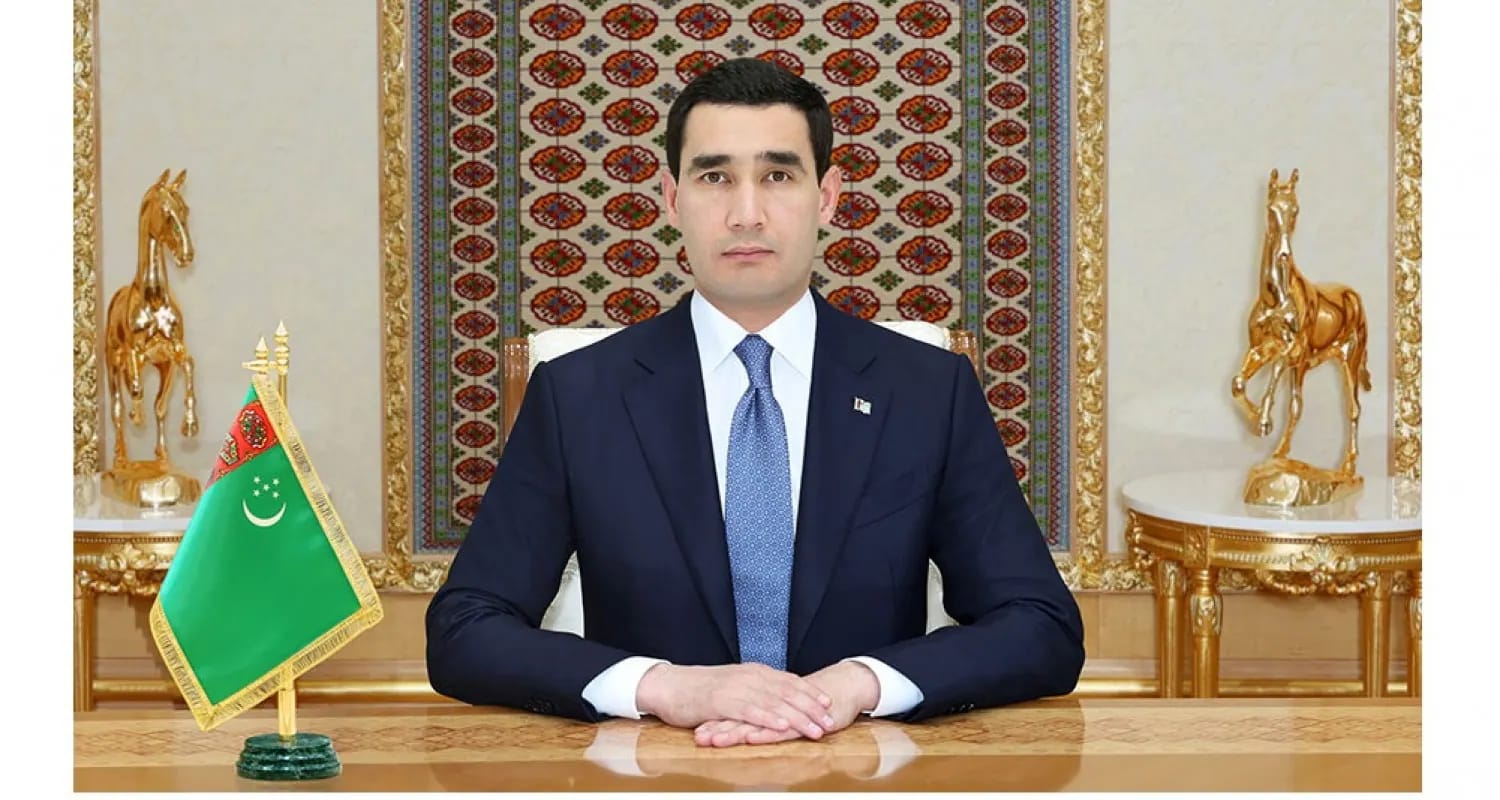
In his speech, President of Turkmenistan Serdar Berdimuhamedov emphasized that despite the complex geopolitical situations currently prevailing in the world, issues of vital importance to Central Asia must not be overlooked. As the Head of State noted:
- Saving the Aral is not only an ecological task but also a political and moral duty of the regional states.
- This issue is a collective responsibility that requires the coordination of economic, financial, and diplomatic efforts.
The work accomplished and the initiatives proposed by Turkmenistan during its presidency of IFAS (2017–2019) are receiving great support at the international level today. Specifically: in 2018 and 2019, special UN Resolutions on cooperation between the UN and IFAS were adopted. Concrete steps were taken toward creating a UN Special Program for the Aral Sea basin. In the near future, the UN Regional Center for Technologies related to Climate Change in Central Asia is expected to begin operations in Ashgabat.
President Serdar Berdimuhamedov noted that the Aral issue cannot be considered in isolation from other environmental challenges. In his view, desertification, melting glaciers, and the management of transboundary waters are interconnected issues. Therefore, to ensure socio-economic well-being in the region, ecological security must be viewed as an integrated system.
Starting from the 1960s, the Aral Sea began to dry up as a result of excessive use of the Amu Darya and Syr Darya waters for irrigation. In 1993, IFAS was established with the participation of five Central Asian states (Turkmenistan, Kazakhstan, Uzbekistan, Tajikistan, and Kyrgyzstan) to mitigate the effects of the Aral catastrophe.
During the meeting, the Turkmen side proposed developing a new General Assembly Resolution on cooperation between IFAS and the UN, taking into account new global circumstances.

Comments
No comments yet. Be the first.