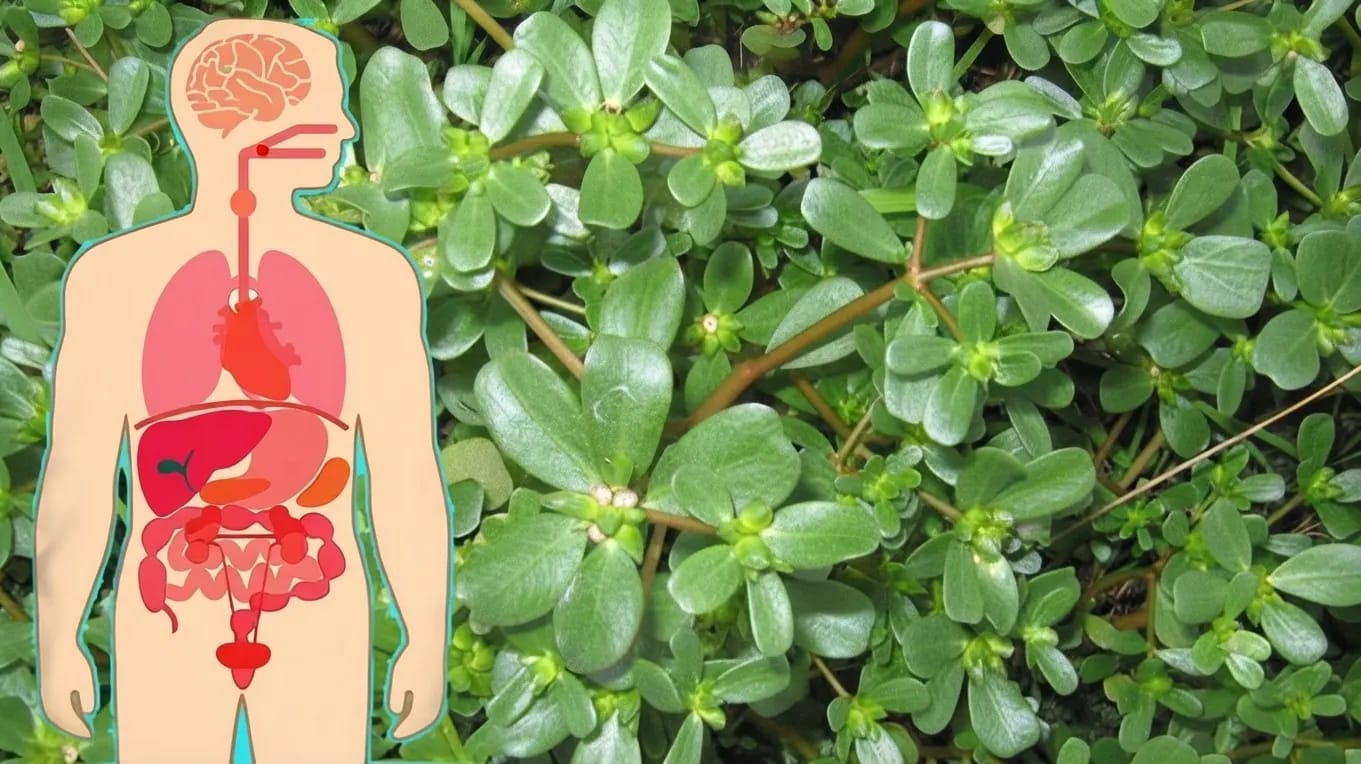
With the arrival of spring, nature comes alive across the fertile lands of Turkmenistan. From the second half of May, a herb known as Semzek begins to grow naturally among vegetable and melon crops. For generations, the Turkmen people have valued this plant for both its pleasant taste and beneficial properties. Its fleshy, glossy leaves and delicate yellow flowers make it easy to distinguish from other wild field herbs.
A Natural Source of Vitamins
Semzek is not only a flavorful herb that enriches traditional dishes but also a natural food packed with valuable nutrients. It contains vitamin C, vitamin A precursors, omega-3 fatty acids, potassium, magnesium, iron, and a variety of antioxidants. These nutrients help support the body's natural defense system and protect cells from damage caused by free radicals.
Semzek also occupies a special place in traditional folk medicine. It is commonly believed to:
support the normal function of the bile ducts;
promote eye health;
help prevent vitamin deficiencies;
contribute to healthy digestion and normal gastrointestinal function.
However, there is currently no conclusive scientific evidence proving that Semzek can cure specific diseases. Therefore, it is best regarded as part of a balanced and healthy diet.
A Delight of Turkmen Cuisine
Turkmen women skillfully prepare a variety of traditional dishes using Semzek. The herb is harvested while still young, before it produces seeds. Its leaves are carefully selected, cleaned, washed, and then added to different recipes.
When mixed with vegetable oil or clarified butter, green onions, and a small amount of salt, Semzek develops a distinctive flavor. This preparation enriches traditional pastries, manti, and many other national dishes.
Semzek is widely used in:
Semzek-filled börek;
Semzek manti;
Semzek gutap;
Semzek gaplama;
İşlekli prepared with Semzek.
These dishes are not only delicious but also help meet the body's increased need for vitamins during the spring season.
Semzek is one of the natural treasures of Turkmenistan. Its unique flavor, nutritional value, and important role in the national cuisine have made it one of the treasured plants passed down from generation to generation. Making good use of this gift of nature and including it in everyday meals as part of a healthy diet can contribute to a healthy lifestyle.





Comments
No comments yet. Be the first.