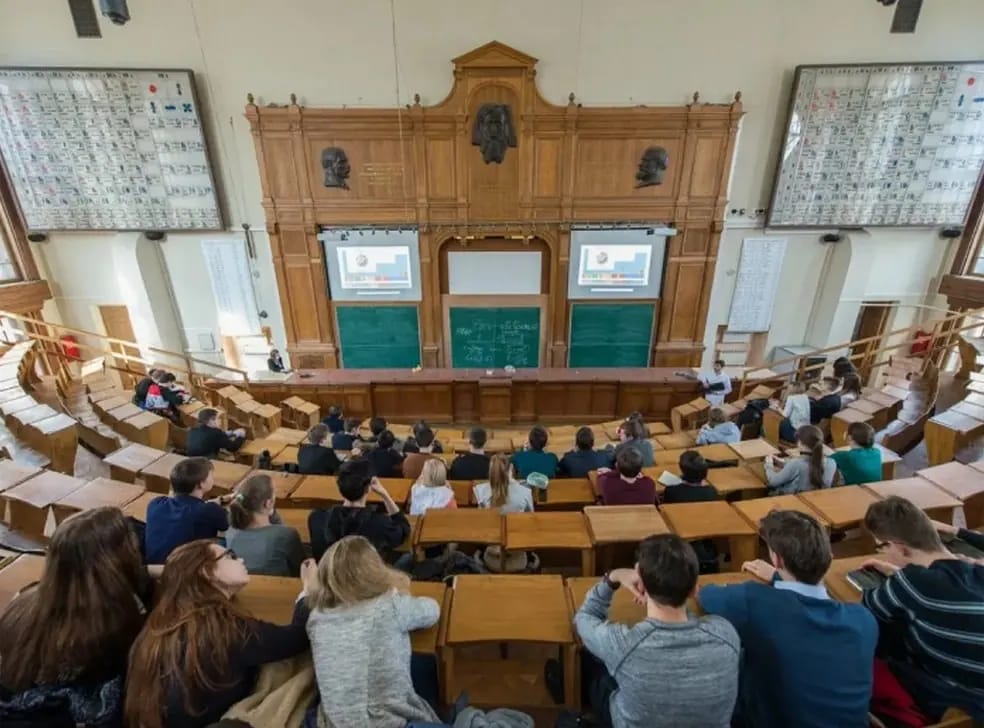
From September 1, 2026, Russian universities will fully transition to a new education model, replacing the current “bachelor — master” system. This was reported by MIR-24, citing RIA Novosti.
Under the new rules, the previous “bachelor — master” format will be replaced by foundational higher education and specialized higher education. The duration of foundational higher education will range from 4 to 6 years depending on the chosen specialty. Specialized higher education will last from 1 to 3 years and include professional, managerial, and research tracks.
One key change concerns financial conditions. Previously, graduates completing specialist-level programs could not study in a master’s program on a state-funded (budget) basis; this restriction has now been removed. Any graduate of a foundational program can now compete for state-funded study places. Postgraduate studies are also recognized as a separate level of professional education.
Experts note that this reform is particularly important for engineering and scientific programs that require deep theoretical knowledge and practical experience. The new model allows universities to maintain educational standards while aligning programs with real labor market needs.
The transition continues efforts started in 2022 to abandon the Bologna system and improve the national education system. After the successful pilot in six universities, the experience will be implemented across all universities in the country.
Comments
No comments yet. Be the first.