


















Interesting Facts About Glasses
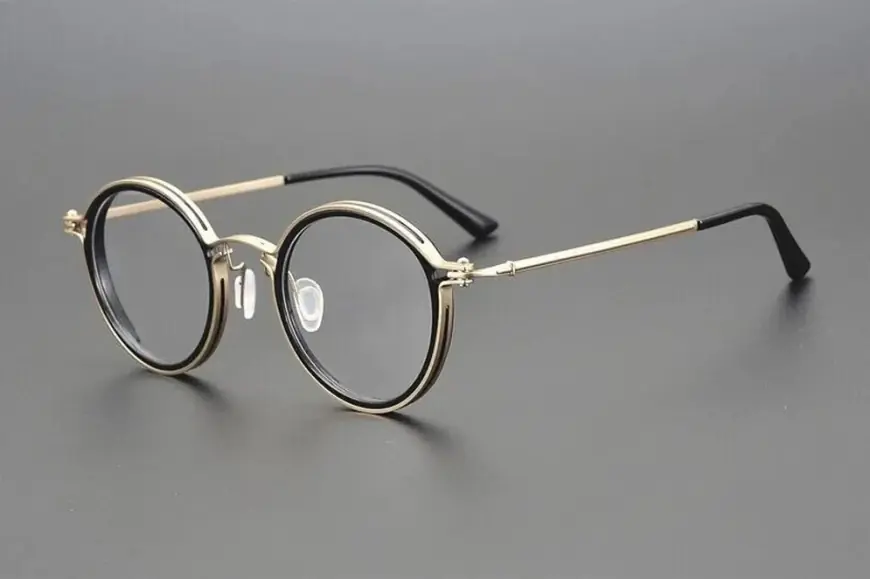
There are many theories about where the first glasses were invented. According to historical sources, the ancient Romans used round glass tools to magnify small objects. Records also indicate that Chinese judges used eye-covering devices as early as the 12th century. Historically, the first wearable glasses were invented in the 13th century by Italian Salvino D’Armati. These early glasses consisted of two simple round glass lenses attached to a long wooden handle.
In the 1700s, temples that hooked behind the ears were invented, and these were known as “hands-free glasses.” During the 18th century, folding pocket glasses resembling scissors became popular. In the early 19th century, special lenses designed to correct blurred vision were developed and mounted into frames. In the 20th century, particular attention was paid to the design and appearance of glasses. From 1929 onward, medically certified, anti-reflective sunglasses began to be produced. In 1980, the invention of lightweight, shatter-resistant plastic lenses marked the transition to modern eyewear.
Today, eyewear developed in line with modern technologies includes anti-glare, UV-protective, vision-correcting, and 3D glasses. There are thousands of types of glasses that differ in lenses and colors, many of which look similar. When choosing glasses, most people focus on comfort and durability.
When selecting sunglasses, one should choose pairs that suit the face shape and fully cover the eyes. If blurred vision or headaches occur while wearing glasses, it means they are not suitable. Believing that this discomfort is temporary and that the eyes will adapt is a mistake, as improperly fitted glasses can eventually damage the eyes and worsen vision.
Incorrectly chosen glasses may cause eye dryness, itching, and pain. Some people wear sunglasses in winter, even on cloudy or snowy days. Experts warn that this is harmful because sunlight reflected from snow becomes more intense and, when passing through dark lenses, negatively affects the eyes. If you wish to wear glasses in winter or on cloudy and humid days, it is better to choose clear lenses. Wearing tinted glasses in low-light conditions is also not recommended.